Guides
What is a monitored carbon monoxide detector
A monitored carbon monoxide detector is a CO alarm tied to a central monitoring station. If carbon monoxide is detected, the alarm signal goes from the panel to trained operators who follow the account’s response steps.
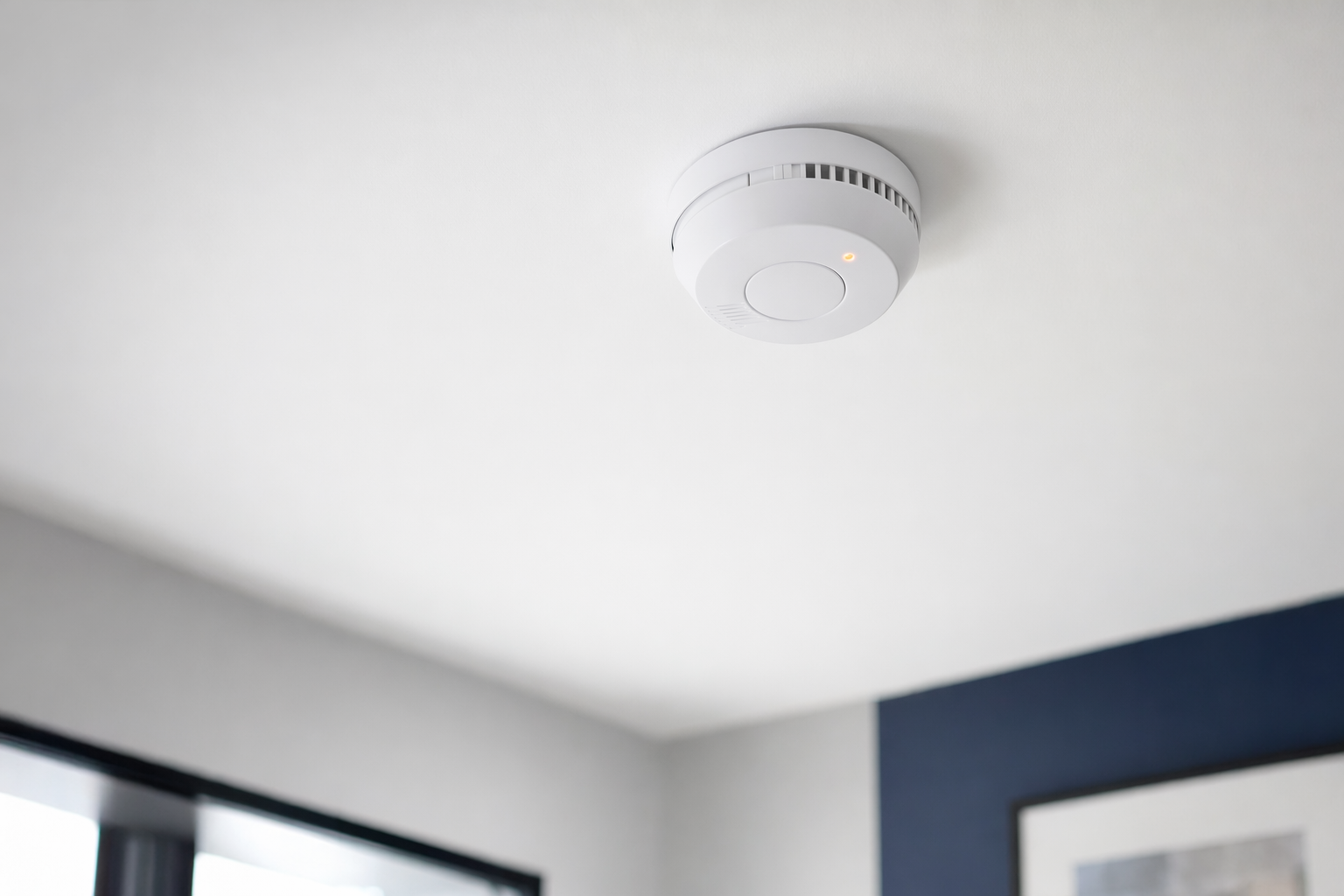
What it means
A monitored carbon monoxide detector is not just a local alarm that beeps inside the home. It is part of an alarm system connected to a central station for 24/7 monitoring.
The usual signal path is simple. A CO detector senses dangerous carbon monoxide. The control panel sends that signal to the central station, often over cellular, internet, or a dual-path setup. A trained operator then follows the account instructions, which may include a verification call when appropriate, notifying the customer, and dispatching the fire department or local emergency responders.
Carbon monoxide is colorless and odorless. That is why people often want more than a standalone detector. Monitoring does not stop carbon monoxide from forming, but it can add another layer of notification if the system is set up and working correctly.
How monitored CO alarms differ from regular detectors
A regular battery-powered CO detector makes noise in the building. That can help if someone is home and hears it. But if nobody is there, or if people do not wake up, the alert may go unnoticed.
A monitored CO detector is tied into a burglar and fire alarm panel or a dedicated life-safety system. When it trips, the signal is sent off-site to a central station. That is the key difference.
Not every detector can be monitored. Some are stand-alone consumer units from a hardware store. Others are system sensors designed to connect to an alarm panel. If you are comparing options, ask whether the device is a local alarm only or a monitored system sensor tied to professional monitoring. You can read more about central station monitoring if you want the full picture.
What happens after a CO alarm signal
The exact response depends on the provider, the system programming, local rules, and the account instructions on file. For many monitored systems, a CO signal is treated as a life-safety event. The operator may attempt a phone call to the premises or customer contacts, and may dispatch fire or emergency services based on the signal type and protocol.
That does not mean every signal is handled the same way in every city. Some jurisdictions have their own rules. Some providers use specific enhanced call procedures. If the system is in an apartment, condo, or commercial space, there may also be building-specific response steps.
Monitoring is about transmitting the alarm and having trained people respond to that signal according to the account setup. It is not a guarantee of a particular outcome or a guaranteed response time.
Cost, equipment, and setup
Cost depends on the equipment, the monitoring plan, and your area. A monitored CO detector may be added to an existing alarm system, or it may be part of a new package with smoke detection and burglar sensors.
As a rough range, a system-compatible CO detector might cost about $40 to $150 per sensor, plus installation if needed. Monthly monitoring that includes life-safety signals often falls somewhere around $20 to $60 per month, though some plans are lower and some are much higher. Those numbers are not quotes.
Ask practical questions. Is the detector hardwired or wireless? Does the panel use cellular, internet, or dual-path communication? Is there a backup battery? Will you need a permit from the city? Are there false-alarm fees or dispatch fees in your area? The real number can change a lot based on those details.
Things to watch for before you sign
Alarm monitoring can be useful, but sales terms matter. Read the contract carefully. Some companies use long auto-renewing contracts, "free" equipment that locks you into costly monitoring, door-to-door pressure, or cancellation terms that are hard to follow.
Also ask who is doing what. Some businesses sell and install systems. Some provide monitoring through a separate central station. A UL-listed central station is a specific type of monitored facility, but not every company you talk to is itself the central station.
Signal Watch Central is not an alarm company, installer, monitoring center, or UL-listed central station. We provide general education and help you find monitoring options near you. If you ask to be contacted, it should happen only with your prior express written consent through an unchecked box you choose to tick. That consent is not a condition of any service, and you can opt out at any time. State licensing rules for alarm sales and solicitation vary.
Who usually wants monitored CO detection
This option is common for homes with fuel-burning appliances, attached garages, fireplaces, gas furnaces, or older mechanical systems. Landlords, small businesses, and people who travel often also ask about it.
It can also make sense if you already have an alarm panel and want one monitored system for intrusion, smoke, and carbon monoxide. That way, signals go to one central station instead of relying only on local sounders.
If you are still comparing the basics, start with our learning center. If you want help sorting through providers in your area, we can help you get matched.
A monitored carbon monoxide detector is a CO sensor connected to an alarm panel and central station, so an alarm signal can be handled by trained operators instead of only making noise inside the building.
Common questions
Is a monitored carbon monoxide detector the same as a regular CO alarm?
No. A regular CO alarm usually only sounds inside the property. A monitored CO detector is connected to an alarm panel that sends the signal to a central station.
Will the fire department be sent automatically?
Sometimes, but not always in the exact same way everywhere. The response depends on the provider’s protocol, your account instructions, the signal type, and local rules.
Do I need internet for monitored CO detection?
Not always. Many systems use cellular, and some use dual-path communication with both internet and cellular. Ask which path is included and whether there is a backup battery.
How much does monitored carbon monoxide detection cost?
It varies. A compatible sensor may run about $40 to $150, and monitoring plans that include life-safety signals often range around $20 to $60 per month. Those are broad ranges, not quotes.
Can I add a monitored CO detector to my current alarm system?
Often yes, but only if your panel supports that sensor type. Some stand-alone store-bought alarms cannot be tied into professional monitoring.
Does monitored CO detection guarantee someone will be saved?
No. Monitoring can help transmit an alarm signal to trained operators, but it does not guarantee a specific result, dispatch time, or outcome.