Monitoring
24/7 burglar alarm monitoring
24/7 burglar alarm monitoring is when a central station watches your alarm signals day and night. Learn how the signal path works, what the operator does after a sensor trips, and how we connect you with a monitoring provider near you for free.
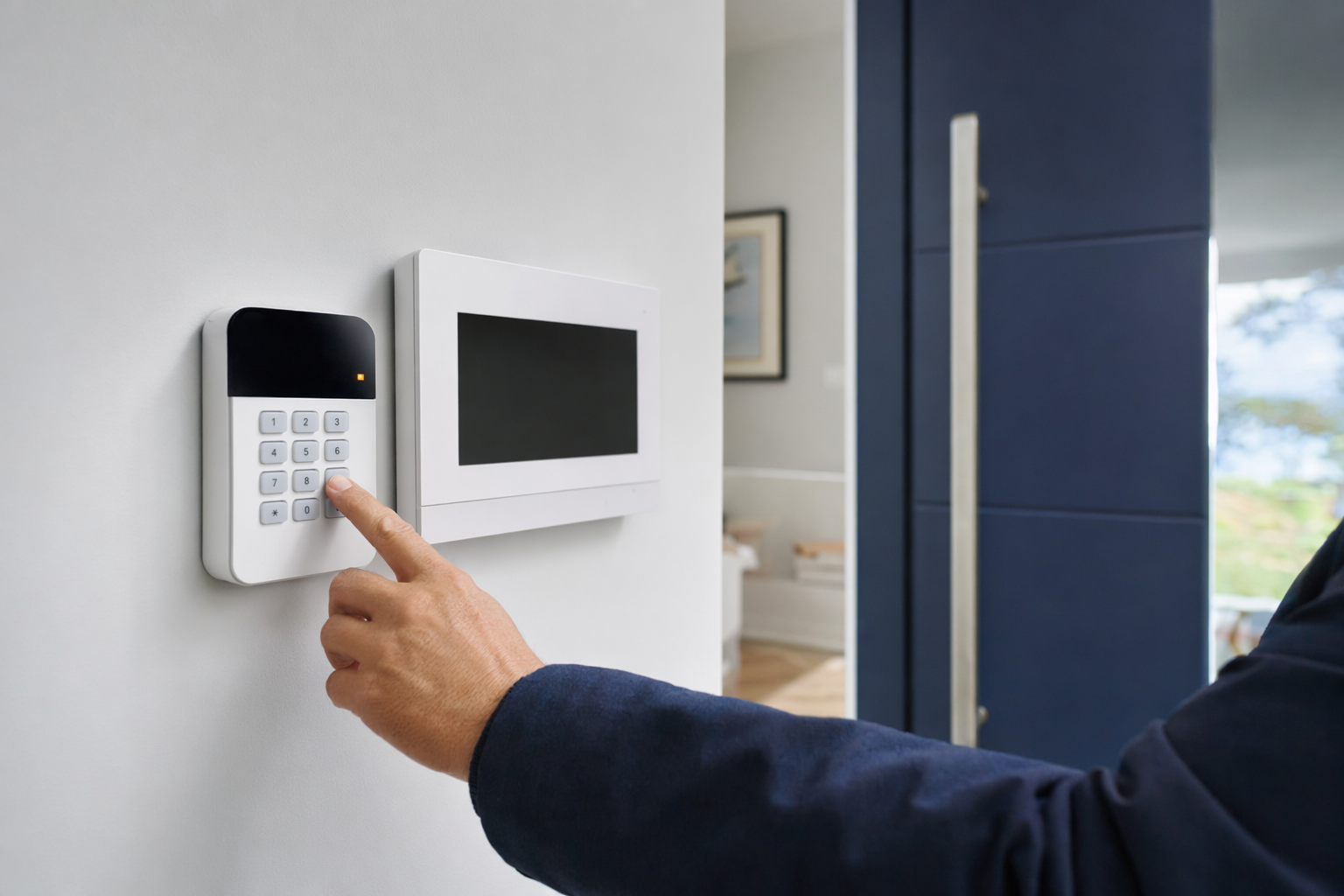
What happens in the seconds after a sensor trips
- 1A sensor trips. A door, window, motion, smoke, or heat sensor detects something and tells your control panel.
- 2The panel signals the central station. Within seconds the panel sends the alarm to a 24/7 monitoring center over cellular or internet — not just a siren in your house.
- 3An operator verifies. A trained operator reviews the alarm and makes a verification call to confirm it is real and not an accident.
- 4Help is dispatched. If it is real, the operator dispatches police or the fire department and keeps you informed. This is what 'monitored' means.
What 24/7 burglar alarm monitoring actually is
With 24/7 monitoring, your alarm system sends an emergency signal to a central monitoring station. That station is staffed by trained operators who follow a set verification and response process.
Signal Watch Central is a free service that helps you find and compare monitoring providers near you. We do not install alarms, we do not operate a monitoring center, and we do not guarantee outcomes.
Monitoring is not the same as a patrol guard or a general security service. The central station watches alarm signals 24/7, so your system can be handled consistently after hours.
- Monitoring = the central station watches alarm signals 24/7
- We help you get matched with providers near you (free)
The signal path: from your sensor to the operator
A burglar alarm works through a chain of communication. It usually starts with a sensor (for example, a door contact or motion detector). When the sensor trips, your control panel collects the event.
Next, the control panel sends the signal to the central station. This can be over different paths, such as landline, cellular, or a broadband internet connection, depending on your equipment and provider.
At the central station, an operator receives the event and follows the monitoring steps for that type of alarm. Those steps commonly include a verification call to the customer and/or checking the signal details from the alarm panel.
- Sensor trips → control panel detects event
- Control panel sends signal to the central station
- Operator verifies and then contacts the right parties
What the central station does after a signal
When the central station receives a burglar alarm event, the operator typically checks whether the signal looks like a real alarm and then attempts verification.
Verification often means calling the primary contact listed on the account. The operator may ask whether you are aware of the alarm, if you recently armed/disarmed, or if there is an active emergency.
If the operator cannot verify or the event indicates a confirmed emergency, they may notify the appropriate local responders (such as police for burglar alarms) and notify the customer according to the monitoring plan.
What to ask before you choose a monitoring provider
Monitoring details vary by provider and by the specific equipment you use. Before you sign anything, ask questions that clarify how verification works, how communication paths are handled, and what happens during trouble events.
Common things to ask include: how alarm signals are verified, how long the process can take in practice, what contacts you need to provide, and how false-alarm charges are handled. Also ask whether they support your current system or if they require a specific control panel.
Be careful with “free equipment” offers. Some deals have long auto-renewing monitoring contracts, expensive monitoring lock-ins, or vague cancellation terms. If you ever see terms that are unclear, request the full contract language in writing.
- Ask how verification is done and who gets called
- Ask about false-alarm fees and how they apply
- Read contract terms for auto-renewal and cancellation
Cost ranges, contract terms, and state licensing
Monitoring costs depend on multiple factors, including the type of alarm system, the monitoring contract length, the communication method (cellular vs. internet, for example), and your area. In many cases, people see monthly monitoring fees in a broad range.
There may also be additional charges such as setup fees, equipment costs (if you do not already have hardware), taxes, and potential false-alarm fees. These are not the same everywhere, and they can depend on your alarm activity.
Rules also vary by state. Some states license alarm-company solicitation and require specific disclosures. If you are approached by a seller, you can ask whether they are required to be licensed in your state and request written terms before agreeing.
How to get matched with a 24/7 monitoring provider near you (free)
If you already have an alarm system, you can still use free matching to find a monitoring provider that fits your setup. If you are deciding on equipment, matching can help you compare providers and understand what they would likely require.
Start with our get matched page. We will help you connect with participating monitoring providers near you so you can compare verification steps, communication paths, contract terms, and pricing ranges.
For a general overview of the process, see how it works. If you want to explore other monitoring-related options and services, visit /services/ and our learning hub at /learn/.
24/7 burglar monitoring means a central station gets your alarm signal, the operator tries to verify, and then they notify the right parties if needed; we help you find a provider near you for free.
Common questions
Is Signal Watch Central a monitoring center?
No. We are a free service that helps you connect with monitoring providers near you. We do not run a central monitoring station, we do not provide UL-listed monitoring, and we do not install or guarantee alarm systems.
What happens if a sensor trips by accident?
Many monitoring plans include a verification step, such as calling the listed contacts to confirm whether you triggered the alarm. Some providers may charge for false alarms or repeat events. Ask providers how false-alarm fees work before you sign.
How do central stations receive alarm signals?
Your control panel sends the event to the central station using the communication path supported by your system. This can include landline, cellular, or broadband internet, depending on your equipment and provider.
How much does 24/7 burglar monitoring cost?
Costs vary by area, equipment, and contract terms. Many people see monthly monitoring fees in a wide range, and there can be additional charges like setup costs, taxes, or false-alarm fees. Matching can help you compare options with realistic pricing.
Do I need a new alarm system to get monitored?
Not always. Some providers can monitor existing systems if they are compatible with their requirements. During matching, you can tell providers what you have so you can compare compatibility and any required changes.
Can I stop contact if I decide not to proceed?
Yes. Any contact for matching should only happen with your prior express written consent, such as a clearly unchecked box you choose to tick. Consent is not a condition of any service, and you can opt out at any time.