Monitoring
fire and smoke alarm monitoring
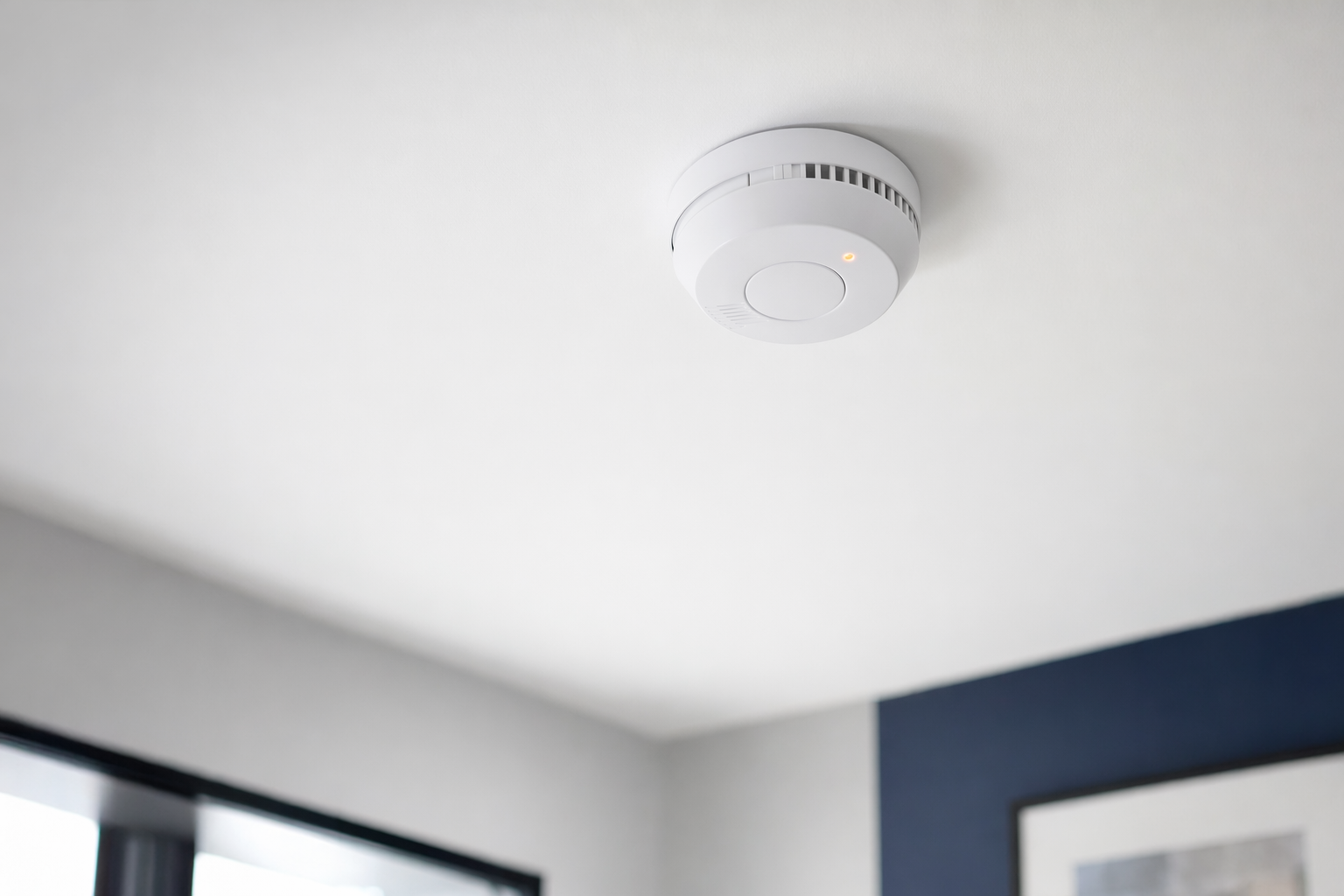
Fire and smoke alarm monitoring means your detector sends a signal to a central station, where a trained operator can verify the alarm and dispatch the fire department. Signal Watch Central is a free way to learn the basics and get connected with a monitoring provider near you.
What happens in the seconds after a sensor trips
- 1A sensor trips. A door, window, motion, smoke, or heat sensor detects something and tells your control panel.
- 2The panel signals the central station. Within seconds the panel sends the alarm to a 24/7 monitoring center over cellular or internet — not just a siren in your house.
- 3An operator verifies. A trained operator reviews the alarm and makes a verification call to confirm it is real and not an accident.
- 4Help is dispatched. If it is real, the operator dispatches police or the fire department and keeps you informed. This is what 'monitored' means.
How fire and smoke alarm monitoring works
A monitored smoke, heat, or fire system has a clear signal path. A detector trips, the control panel sends a signal to the central station, and a trained operator reviews it. In many setups, the operator will try to verify the alarm by phone before dispatching fire services and notifying the customer.
That is different from a local alarm that only makes noise inside the building. Monitoring is about communication with a central station, not just a siren. For a plain explanation of the full process, see how it works.
If you are comparing options, ask whether the monitoring provider uses a UL-listed central station, what communication path they use, and how they handle smoke, heat, and waterflow signals. Some systems use cellular or dual-path communication, which means more than one way to send a signal.
What to ask before you sign anything
Read the contract before you agree. Common alarm-sales tactics include long auto-renewing contracts, “free” equipment tied to costly monitoring, door-to-door pressure, and vague cancellation terms. Those terms matter because monitoring is usually ongoing, and it can be hard to get out of a bad contract later.
Also ask about permit requirements, false-alarm fees, and whether the area you live in has local fire alarm rules. Some states license alarm-company solicitation, and the rules vary by state. A provider should be able to explain what applies where you live.
Cost varies. Basic fire monitoring may start around $15 to $35 per month, while more complex systems, commercial sites, or dual-path setups can cost more, sometimes $40 to $60+ per month. Equipment, the monitoring contract, and your area all affect the real number. Those ranges are not quotes.
How we help you find a provider
We do not install systems, we do not monitor alarms, and we are not a UL-listed central station. We provide free education and help you find a monitoring provider that fits your needs.
If you want a provider to contact you, that contact happens only if you check an explicit consent box that is not pre-checked. Consent is not required to use our site or to get basic information. You can opt out at any time. Where contact is used, it may include phone, text, or prerecorded or autodialed messages only with that prior express written consent.
Start here: services or get matched. If you want to learn more first, visit learn.
Who fire monitoring is for
Fire and smoke alarm monitoring is used in homes, apartments, small businesses, warehouses, and other buildings where a central station connection is wanted. It is especially useful when the building is empty at night, during weekends, or while people are asleep.
It also matters for people who need a clearer process for alarm handling. If you are new to the US, or English is not your first language, it helps to know the key terms: control panel, central station, verification call, dispatch, permit, and false-alarm fee. A good provider should explain them in plain language.
What to compare when you shop
Do not focus only on the monthly price. Compare the monitoring contract length, cancellation terms, whether the system is cellular or dual-path, whether fire signals are monitored 24/7, and whether the provider serves your city or state.
Ask these questions:
- Is the central station UL-listed?
- What happens after a smoke or heat signal?
- Do you call before dispatching fire services?
- Are there permit or activation fees?
- How do you cancel, and is there an early termination fee?
Those answers will tell you more than a sales pitch will.
Fire and smoke alarm monitoring sends alarm signals to a central station so a trained operator can verify and dispatch fire services, and we help you compare providers without charging you.
Common questions
Does a monitored smoke alarm call the fire department automatically?
Usually there is a signal to the central station first. A trained operator often verifies the alarm by phone before dispatching fire services, depending on the system and local procedures.
Is Signal Watch Central a monitoring company?
No. We are not an alarm company or a monitoring center. We offer free education and connect you with a monitoring provider near you.
How much does fire alarm monitoring cost?
Simple residential monitoring often starts around $15 to $35 per month, while larger or more complex systems can cost $40 to $60+ per month. The equipment, contract terms, and your area change the final number.
Do I have to agree to phone calls or texts?
No. Consent is only for people who choose it with an explicit unchecked box. It is not a condition of service, and you can opt out at any time.