Guides
Can i keep my equipment if i switch monitoring
Usually, yes, but not always. Whether you can keep your alarm equipment depends on the brand, the panel model, the wiring, and whether the new monitoring provider can work with it.
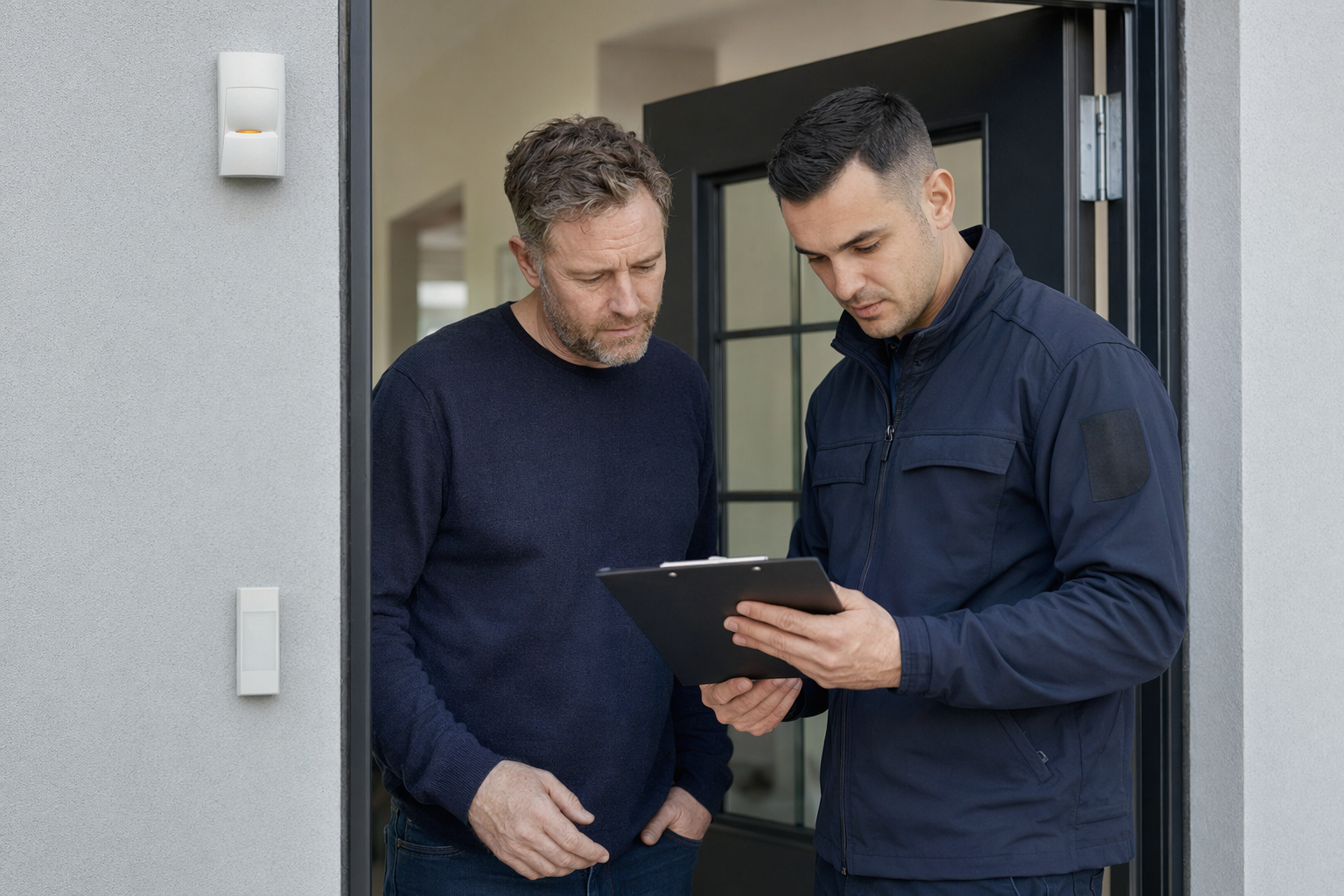
Start with the panel, not the subscription
A monitoring plan is only one part of the setup. The control panel, keypad, sensors, siren, and communicator are the hardware that actually send signals to a central station.
If your system uses standard alarm equipment, a new provider may be able to monitor it without replacing everything. If it is locked to a proprietary platform, needs a special communicator, or uses outdated parts, you may need an upgrade.
The key question is compatibility. A provider that offers central station monitoring will usually want the panel model, the communicator type, and the alarm history before they say yes or no.
What can often stay, and what may need to change
Many homeowners keep the same door and window sensors, motion detectors, siren, and sometimes the control panel. That is more common if the equipment is still working and the new monitoring service supports it.
Parts that sometimes need to change include the cellular communicator, the keypad, old backup batteries, or a panel that only works with one company’s service. If the system is very old, replacement can be cheaper than trying to patch it together.
A common setup is this: a sensor trips, the control panel sends the signal to the central station, the operator checks the alarm by phone when required, and then the operator dispatches police or fire and notifies the customer. If your equipment cannot send a clean signal path, monitoring may not work the way it should.
Questions to ask before you switch
Ask the new provider if your panel is compatible, if they support dual-path or cellular monitoring, and whether they will need installer codes or a takeover process. Ask what happens to existing zoning, entry delays, and panic buttons.
You should also ask about monthly cost, activation fees, and any contract term. Real-world monitoring prices often range from about $20 to $60 per month for basic residential service, but the number depends on the equipment, the contract, and your area. That range is not a quote.
Be careful with sales promises. Some sellers push long auto-renewing contracts, "free" systems tied to expensive monitoring, door-to-door pressure, or vague cancellation terms. Those tactics matter even if you plan to keep your equipment.
Consent, contact, and state rules
If you ask to be matched with a provider, any contact should happen only after your prior express written consent, such as an unchecked box you choose to tick. Consent is not a condition of using this free site, and you can opt out at any time.
We do not install, monitor, or guarantee anything. We help you find a monitoring provider, and the service is free to the reader. Participating providers pay us a flat marketing fee; we do not take a percentage of any provider’s fees.
Also, some states license alarm-company solicitation and rules vary by state. That means the sales process, cancellation rights, and required disclosures can differ depending on where you live.
If you want to switch with less hassle
Gather the panel make and model, a photo of the keypad, and any account paperwork you still have. If the system was installed by a prior company, ask whether the equipment is leased, owned, or subject to a contract.
Then compare providers before you sign. A good fit will explain whether your equipment can stay, what parts need replacement, what the monthly monitoring cost is, and what the cancellation terms look like.
If you want help sorting through that, start with how monitoring works and then use free matching to connect with a provider near you.
You can often keep your alarm equipment when you switch monitoring, but the panel and communicator have to be compatible, and the final cost depends on the system and contract.
Common questions
Can I usually keep my alarm sensors if I switch monitoring companies?
Often yes, especially if the sensors are standard wired or wireless parts and still work well. The panel and communicator matter more than the sensors, so compatibility has to be checked first.
Will I need a new control panel to switch monitoring?
Not always. If your panel is compatible with the new provider’s central station and communicator, it may stay in place. Older or proprietary panels are the ones most likely to need replacement.
How much does monitoring cost if I keep my equipment?
Basic residential monitoring often runs about $20 to $60 per month, but the real price depends on the equipment, the monitoring contract, and your area. Installation or takeover fees can add to that.
Can you call me without my permission if I ask about matching?
No. Any contact should happen only after your prior express written consent, such as an unchecked box you choose to tick. Consent is optional and not required to use the site.
Do state rules matter if I just want to switch monitoring?
Yes. Some states license alarm-company solicitation, and the rules vary. That can affect how the sale is handled, what disclosures you get, and how cancellation works.