Guides
What is a verification call
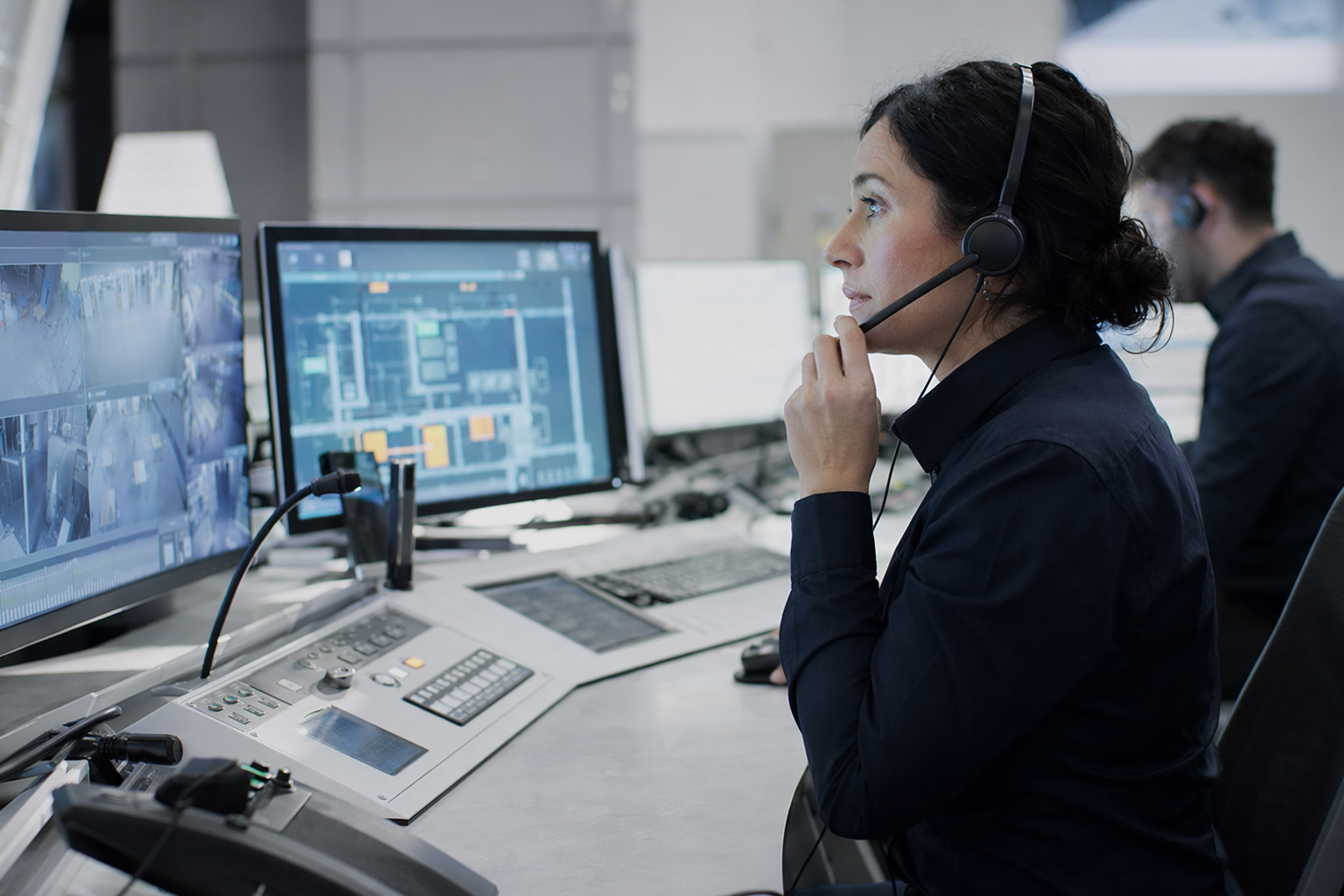
A verification call is the phone call a trained operator makes after your alarm sends an alert to the central monitoring station. The goal is to confirm what happened before police or fire are notified.
Verification call, in plain words
In 24/7 alarm monitoring in the US, an alarm system usually sends an alert to a central monitoring station when a sensor trips.
A trained operator then may call you as part of verification. They ask questions to understand whether it is likely a real emergency or a false alarm, before they contact authorities and notify you.
This step matters because sensors can be triggered by mistakes, pets, power outages, or user activity like entering or exiting.
- Your sensor trips the alarm
- Your control panel signals the central station
- An operator verifies by phone and notes what they learn
- Authorities may be contacted, depending on the situation
The signal path: how an alarm becomes a call
A typical path goes like this: a door, window, motion sensor, glass break sensor, smoke detector, or heat sensor detects a condition. The control panel sends that event to the central station through a communication path like phone line, cellular, or internet.
At the central station, software routes the alert, and an operator reviews it. The operator may try to reach the customer using the phone numbers on file.
If the system uses dual-path communication (for example, cellular plus internet), the central station still needs an operator to interpret the event and decide what to do next.
What the operator asks you during verification
Verification calls are usually short and practical. Operators commonly ask things like whether you see anything unusual, whether you are home or away, and what happened right before the alert.
They may ask whether there is an active fire, smoke, or burning smell. For burglary alerts, they may ask if you accidentally set off the system.
Operators also note your answers in the incident record. If they cannot reach you, they may follow the monitoring provider’s process for contacting listed contacts.
What happens after the call
If the operator believes the event is credible, they may dispatch police or fire, depending on the alarm type and the provider’s procedures.
If the operator thinks it is likely a false alarm, they may close the incident without dispatching authorities. In some systems, repeated incidents or unresolved alerts can still lead to a response.
A verification call does not guarantee that authorities will arrive, how fast they arrive, or that a break-in or fire will be prevented. It is a step in a larger workflow.
Why verification calls can reduce false alarms (but don’t eliminate them)
Verification helps because it adds human judgment after a signal is received. A smoke detector might trigger due to cooking smoke. A motion sensor might trigger when someone walks through a hallway during the wrong time window.
A phone call gives you a chance to explain what is happening. The operator can then decide whether it sounds like a real emergency.
Still, false alarms can happen. Some alarms are triggered while you are unavailable, and some emergencies may not be easy to describe over the phone. The best approach is to choose settings and sensors that fit your home and to test your system according to the provider’s instructions.
Questions to ask before you choose a monitoring provider
When you are comparing monitoring options, ask how verification works and who makes the call. You can also ask what happens if you miss the call.
Good questions include: Which numbers do they call first? Do they call emergency contacts if they cannot reach you? What happens for silent alerts versus alarm events with sound? Do they use one communication path or multiple (such as dual-path: cellular plus internet or phone)?
Also ask about cost and contract terms. Monitoring prices often vary by equipment, the monitoring contract length, and your area. You may see monthly fees that range widely, plus possible equipment, installation, or activation charges. Be cautious of long auto-renewing contracts, “free” systems that raise monthly monitoring costs, door-to-door pressure, and vague cancellation terms.
Note: alarm-company solicitation and licensing rules vary by state, so your local requirements may affect how contracts are presented.
A verification call is the phone call from the central monitoring operator after your alarm signal arrives, used to confirm what happened before authorities are contacted.
Common questions
Will the operator always call me after my alarm triggers?
Not necessarily. Many monitoring setups include a verification call, but the exact steps depend on the monitoring provider, the alarm type, and whether they can reach the phone numbers on file.
Is a verification call the same as emergency dispatch?
No. A verification call is part of the review step. Dispatch happens only if the operator decides the alert is credible based on your answers, the alarm details, and their procedures.
What if I don’t answer the verification call?
That depends on the provider’s process. Some providers try again, call emergency contacts, or follow a set workflow for that alarm event. If you are away from home, make sure the numbers on your account are correct.
Does verification prevent false alarms?
It can help, especially for alerts that are triggered by mistakes or normal activities. But it cannot eliminate false alarms completely.
How much does monitoring cost, including verification?
Monitoring cost depends on the equipment, the monitoring contract, and your location. Expect monthly monitoring fees that can vary significantly, plus possible equipment or activation charges. Ranges are common, but they are not quotes.