Guides
Do i need a landline for alarm monitoring
Many 24/7 alarm-monitoring plans do not require a landline. In most homes today, the system uses cellular and a backup path instead, but the exact setup depends on your equipment and your local rules.
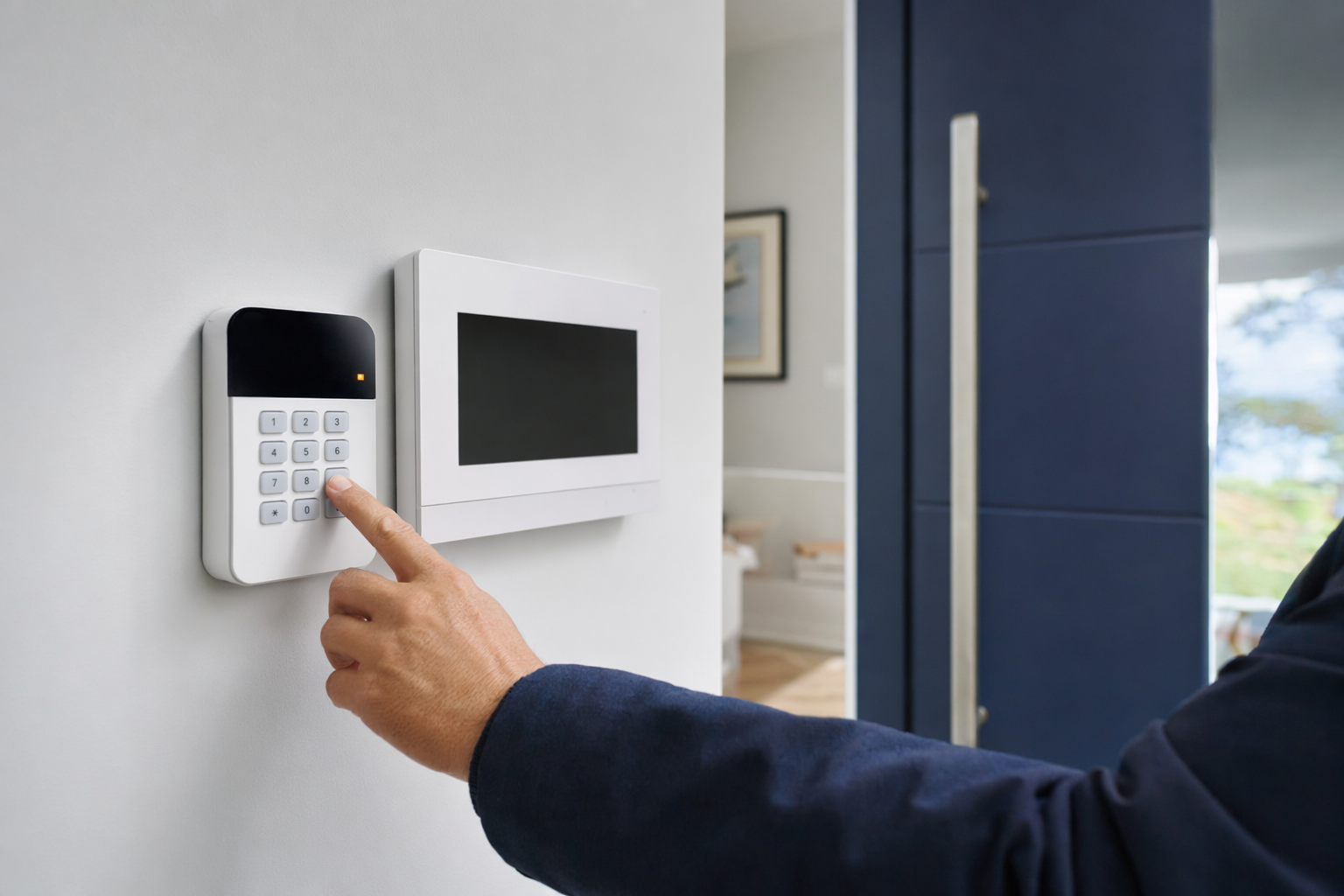
Short answer: often no, but it depends on your system
If you’re choosing 24/7 alarm monitoring through a central station, a landline is no longer always required.
Many modern alarm systems send signals using cellular (a built-in cellular communicator) and keep a backup path (like cellular backup, dual-path, or sometimes another internet or radio path). Some older systems still use a telephone line, especially if they were installed years ago.
The key is the communication path your alarm uses to reach the monitoring station. That path can be different from a “regular phone line” you use for calls.
If you’re not sure what your panel supports, we can help you get matched with a monitoring provider to ask the right technical questions for your setup: get matched.
How alarm signals reach the central station (so you can judge landline needs)
Think of alarm monitoring as a signal chain:
1) A sensor trips (door, window, motion, smoke, heat, water leak, etc.).
2) Your control panel sends an alarm message to the monitoring company’s central station.
3) A trained operator verifies the alarm by following the provider’s procedure, often including a phone call to you or other verification steps.
4) If the alarm is confirmed as real enough, the operator contacts the appropriate service (police or fire) and notifies the customer using the provider’s process.
Whether a landline is needed is about step 2: what method your panel uses to communicate. Some systems can use cellular, some use internet, and some are built around a phone line.
Common communication options besides a landline
Here are common ways alarms reach a central station in the US:
• Cellular (cell communicator): The panel sends signals over cellular networks.
• Dual-path (recommended by many providers): Two separate paths, such as cellular plus an internet path, so one failure is less likely to stop communication.
• Broadband or internet path: Some systems use internet to send signals, often with cellular backup depending on the plan.
• Radio/routing alternatives: Some installations use specific radio options depending on the provider and local setup.
• Traditional phone line: Still used in some older setups and some specific commercial arrangements.
If you are in an area with weak cellular coverage, you may need a different plan, stronger antenna placement, or a different communication method. A provider can check signal strength and explain what is supported by your equipment.
Cost and contract realities (what you should ask before you choose)
Prices vary widely. Your monthly cost can depend on your equipment, the number of sensors, the panel type, the communication method (cellular vs landline), and the monitoring contract terms. If you’re comparing options, be cautious with contracts that:
• auto-renew for long periods,
• have early cancellation fees,
• use “free equipment” promotions but tie you to costly monitoring long term,
• have unclear cancellation language,
• charge additional fees for false alarms, service calls, or equipment changes.
Because rules and pricing vary by provider and area, there is no single number we can give as a quote. A realistic budget may range from about $20 to $60+ per month for monitoring plans, depending on the setup and features. Your local market and your alarm hardware can push that higher or lower.
If you want a plain-language walkthrough of central-station monitoring, read: central station monitoring.
State rules and licensing: varies where you live
Alarm-company solicitation and licensing rules vary by state. Some areas require specific licensing or disclosures when discussing alarm monitoring services.
That matters because the person you speak with may be an alarm company, an installer, or a monitoring provider, and the rules about what they can offer and how they must present terms can differ.
We’re a free education and matching service, not an alarm company and not a monitoring center. We do not install or monitor alarms. We help you find a monitoring provider near you and get clearer on what your equipment needs.
How to choose the right communication path (landline-free checklist)
Use this checklist when you talk to a monitoring provider:
• Does your current alarm panel support cellular or dual-path?
• If no landline is used, what is the primary path (cellular, internet, etc.)?
• Is there a backup path if the primary path fails?
• How does the verification call work, and what number(s) are contacted?
• Are there false-alarm or verification fees?
• What are the contract terms, cancellation steps, and any early termination charges?
• What equipment changes are required if you switch communication methods?
If you share your alarm panel brand/model and your county/state, you can ask questions faster. If you’d rather not do all the searching yourself, you can request a free match with a nearby provider: get matched.
You usually do not need a landline for 24/7 central station monitoring because many systems use cellular and a backup path, but the right answer depends on your alarm panel and the communication options it supports.
Common questions
My alarm has an old phone-line connection. Can I switch to cellular monitoring?
Sometimes, yes. It depends on what control panel you have and whether it supports a cellular communicator or dual-path upgrade. A provider can confirm compatibility and explain the equipment changes and the monitoring contract terms.
If I do not have a landline, will my alarm still signal the central station?
It can, if your panel is set up to use an alternative communication method such as cellular and (often) a backup path. Ask your provider what communication path your system uses and how it verifies an alarm.
Is cellular always better than a landline for alarm monitoring?
Not always. Cellular can be reliable, but performance depends on coverage at your address and the quality of the installation. Some providers recommend dual-path specifically to reduce the chance that one communication method fails.
Does monitoring require Internet if I’m using a landline-free system?
Not necessarily. Many landline-free setups use cellular as the primary path. Some plans use internet as a second path. Your provider should clearly describe the primary path and the backup path.
How can I avoid common alarm monitoring sales traps?
Watch for long auto-renewing contracts, “free” equipment deals that end up expensive due to monitoring lock-in, vague cancellation terms, and high false-alarm fees. Ask for the full monthly price, equipment costs (if any), contract length, and the steps to cancel.
Do you install or monitor alarms for me?
No. Signal Watch Central is a free education and matching service. We do not install, monitor, or guarantee alarm systems. We help you find a monitoring provider near you and understand the questions to ask.