Guides
How to Choose an Alarm Monitoring Provider
Alarm monitoring is when a central station watches your alarm 24/7 and verifies alerts before police or fire are called. This guide helps you compare providers and avoid common contract traps.
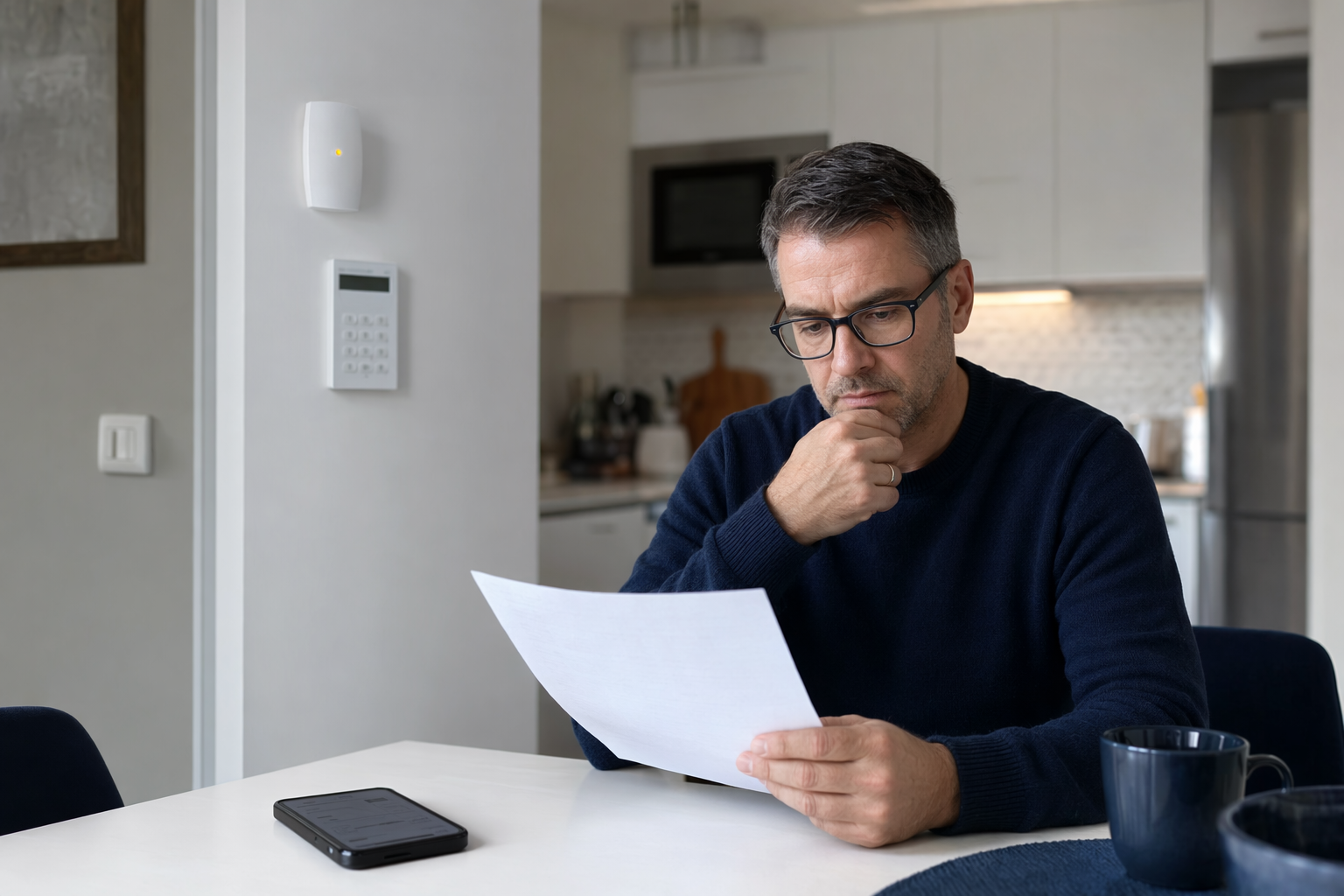
1) Start with the exact service you need: central-station monitoring
“Alarm monitoring” means your sensors send an alarm signal to your control panel, and then your control panel sends that signal to a monitoring center that operates 24/7. A trained operator typically makes a verification call, then dispatches the right help and notifies you.
Not all “security” services are the same. Some companies install cameras or provide general security without monitoring your fire or burglar signals. Make sure you are choosing a provider that will monitor your alarm signals through a central station.
If you’re comparing options, it helps to separate three parts:
• The alarm system (devices and control panel)
• Monitoring service (the central station watching 24/7)
• Response steps (how the operator verifies and contacts you)
You can learn the basic signal path here: /services/24-7-burglar-alarm-monitoring/.
2) Know the signal path and what “verification” usually means
When a sensor trips, the control panel detects it and sends an alert to the monitoring center. That alert should include enough information for an operator to understand what type of event it is (burglary, fire, panic).
Many monitoring centers use a verification call before dispatching police or fire. The goal is to reduce false alarms, but the details vary by provider and by your settings. Ask what happens for:
• Burglar alarm activation
• Fire or smoke alarm activation
• Panic buttons
• Loss of communication (power or phone/internet failure)
Also ask how the operator contacts you and in what order (phone call, text, backup contacts). Some systems use multiple communication paths such as cellular and landline/Internet to lower the chance that a single connection failure stops the message.
3) Compare monitoring methods: phone line, cellular, broadband, and backup
Monitoring can send signals over different routes like landline phone, cellular, or broadband/Internet. In many setups, you want redundancy. For example, a system might have cellular backup in case the main connection fails.
When you shop, ask clear questions:
• What communication path does the system use by default?
• Is there cellular or another backup path?
• What happens during power outages?
• Will the monitoring center alert you if it loses contact with your system?
Avoid vague answers. If a provider only says “we use the best network,” ask for the specific paths and whether backup is included or an extra cost.
4) Understand pricing and real total cost (not just the monthly number)
Alarm monitoring costs vary by equipment, contract term, and the area. You may see monthly monitoring prices ranging roughly from about $20 to $60+ for burglar monitoring, and fire or combined services can cost more. Some providers also charge for installation, equipment, permits, or service fees.
Be careful with “free system” offers. They can look cheap at first, but the monitoring contract may lock you into a long term with cancellation penalties. Look for:
• Upfront installation or equipment charges
• Monitoring monthly price and whether it can increase
• Contract length (month-to-month vs. multi-year)
• Early termination fees and how they are calculated
• False alarm fees (some jurisdictions or providers charge when alerts are not verified as actual emergencies)
For cost clarity, ask for the full monthly total and any one-time charges. Make sure you receive the cancellation terms in writing.
5) Review contract terms carefully: auto-renewals and cancellation rules
Common alarm sales tactics include long auto-renewing contracts and “free” equipment offers that tie you to costly monitoring. Another tactic is vague cancellation language.
Before signing, ask to see the exact terms for:
• Auto-renewal dates (what triggers a renewal)
• How to cancel (notice method and deadline)
• Whether fees apply if you move, switch providers, or stop monitoring
• Equipment ownership (do you own it or lease it?)
• How long you must keep paying during any transition
If you’re new to contracts or prefer a second set of eyes, ask a trusted person to review the wording. If you speak with sales by phone, request written summaries (email or paper) of the contract terms you discussed.
6) Check verification steps, dispatch rules, and your alert settings
Ask about what happens during an alarm event. You want to understand the operator workflow, not just the marketing:
• What information does the operator see (site address, alarm type, customer contacts)?
• How does verification work (call, call attempts, time between attempts)?
• Who gets notified (customer, emergency contacts, authorities)?
• Are there “armed/stay/away” settings and do you control them?
If you’re monitoring a business, ask how it handles different shifts, staff numbers, and backup contacts. If you have multiple users, ask how each person adds phone numbers and when those contacts can be changed.
Important: no provider can promise no false alarms or guaranteed safety. A well-configured system and clear contacts can help, but emergencies still happen and verification practices vary.
Choose an alarm monitoring provider by verifying how the central station communicates, how operators handle verification and dispatch, and the true contract cost and cancellation terms.
Common questions
Is Signal Watch Central the monitoring company or the central station?
No. We help you understand alarm monitoring and connect with a monitoring provider near you. We do not install, monitor, or guarantee any alarm system or service.
What should I ask before I sign a monitoring contract?
Ask about verification (what the operator does before dispatch), communication paths (phone/cellular/broadband and backups), power/connection loss alerts, false alarm fees, contract length, auto-renewal terms, and exact cancellation steps in writing.
How much does alarm monitoring cost in the US?
Costs vary a lot based on equipment, contract term, and your area. Many households see monitoring somewhere around $20 to $60+ per month for burglar service, with higher costs possible for fire or combined plans. Ask for a written breakdown because total cost can include equipment, installation, and fees.
Do monitoring providers always call me during an alarm?
Not always the same way. Many operators attempt a verification call, but the timing and steps can vary by provider and by event type. Ask what happens for burglary, fire, panic, and communication loss.
Are there state rules I should know about?
Yes. Some states regulate or license alarm-company solicitation, and rules can vary. If you feel pressure during sales, request written details and consider checking your state’s requirements.
Can I switch monitoring providers later?
Sometimes, but it depends on your contract, equipment ownership, and cancellation terms. Before you sign, ask what happens if you move, cancel early, or want a different monitoring provider.