How we've helped
How an adult child set up monitored panic protection for an aging parent
This anonymized story shows one family’s step-by-step process for setting up monitored panic protection for an aging parent. It’s educational and not a guarantee of any outcome.
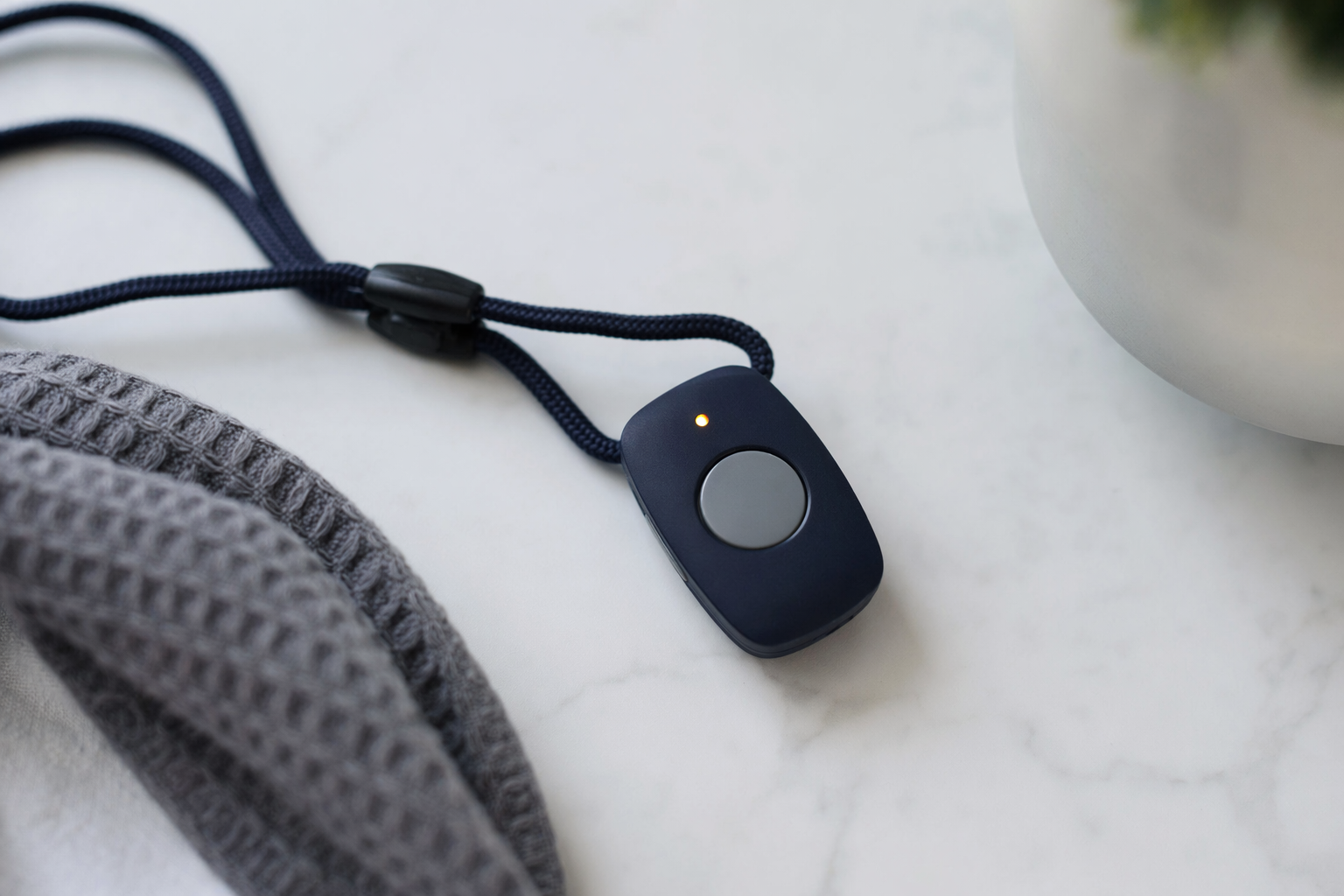
The situation: an aging parent and “panic button” concerns
An adult child in the U.S. wanted a simple way for a parent to get help quickly if something went wrong at home. The parent lived alone part of the time, and the child was worried about what would happen during a medical or personal emergency.
Instead of relying on calling 911 alone, the family looked into alarm MONITORING through a central station. The goal was not to stop emergencies. It was to create a documented signal path and trained follow-up, day and night.
What “monitored panic protection” means (signal path, in plain steps)
Here’s the signal path the family understood before choosing anything:
1) A panic button is pressed (or a medical/panic device is triggered).
2) The home’s alarm control panel sends the alarm signal to a central monitoring station (24/7).
3) A trained operator verifies the event by calling or using approved verification steps.
4) If needed, the operator notifies the right responders (for example, police or fire) and alerts the customer with the info available.
This is alarm monitoring, not a general security guard service. The central station’s verification and dispatch steps depend on the monitoring provider, the device type, and the account setup.
Step 1: decide what kind of monitored help they needed
The adult child compared options and learned that “panic protection” can be set up in a few different ways. Some families choose a dedicated panic button worn on a wrist or in a pocket. Others add a medical alert style device that can be triggered for emergencies.
The family also checked whether the provider could support the type of verification they wanted. For example, some accounts use a phone call to a caregiver or family member, while others may use dual-path communication (like cellular plus another path) depending on the equipment and location.
They also considered false alarms. Panic buttons should be easy to use, but accidental presses happen. Knowing whether the monitoring provider charges a false-alarm fee helped the child plan responsibly.
Step 2: match with a monitoring provider near them
To move from research to action, the adult child used Signal Watch Central to help find a 24/7 monitoring provider nearby. We are not an alarm company, not a monitoring center, and we do not install equipment. We help you get connected with a monitoring provider so you can ask the right questions.
Before signing anything, the child made a short checklist:
- What happens after a panic alert is triggered?
- Who performs verification, and by what method (phone call, customer instructions, other steps)?
- What communication paths are used (for example, cellular or landline, and whether a backup path is available)?
- What are the monthly costs and any setup fees?
- Are there contract terms (including auto-renewal)?
- What cancellation rules apply, including any early termination charges?
- Does the state require licensing or special disclosures for alarm-industry solicitation?
Rules can vary by state, and some states license alarm-company solicitation. It’s worth confirming what applies where you live.
Step 3: understand the real cost range (and avoid common alarm-sales traps)
The family learned that pricing can vary widely. A monitored panic setup may cost roughly $20 to $50+ per month for monitoring, with additional amounts depending on the device type, installation needs, and the contract. Some plans have upfront equipment fees or activation charges.
They also watched for common sales tactics:
- “Free” systems that bundle expensive monitoring with long, auto-renewing contracts
- Vague cancellation language that hides restocking fees or early termination penalties
- Door-to-door pressure or limited-time offers that skip key contract details
The child asked for the full contract terms in writing and read the parts about auto-renew, cancellation, and any false-alarm charges. That reduced surprises later.
Step 4: set up accounts and test the process (without assuming perfection)
After matching with a provider, the adult child helped complete the account setup: contact numbers, emergency contacts, and verification preferences. They also asked how to update caregiver phone numbers and what happens when a number changes.
Then they ran a careful test plan. Instead of assuming the system works perfectly, they confirmed what the operator would do when a panic signal is triggered and how the parent and caregiver should respond during verification.
One important note the child repeated: monitoring can’t guarantee that help arrives instantly or that a specific outcome will happen. But a central station that follows a defined verification process can add structure to an emergency.
Where this story can help you next
If you are helping a parent, you can use this same approach: understand the signal path, choose the device type, match with a provider, and confirm contract and verification details in writing.
If you want to explore options, start with the basics here: 24/7 burglar alarm monitoring and get matched with a monitoring provider. You can also browse other stories at [/stories/].
This anonymized story explains how a family set up monitored panic protection by using a central station verification process, matching with a local provider, and carefully reviewing costs and contract terms.
Common questions
Is Signal Watch Central the company that monitors the panic button?
No. Signal Watch Central is a FREE service that helps you connect with a 24/7 monitoring provider. We do not install equipment, do not run a central monitoring station, and do not guarantee monitoring results.
What does the central monitoring station actually do when a panic button is triggered?
Typically, the panic button signal goes to your alarm control panel, then to a central monitoring station. A trained operator verifies the alert by phone or approved steps, and then notifies responders and/or the customer depending on the plan.
How much does monitored panic protection cost?
Costs vary based on the device, equipment setup, and the monitoring contract, but many monitored options fall around $20 to $50+ per month for monitoring. There may also be equipment, activation, or installation fees, depending on the provider and location.
Are there contract traps I should watch for?
Common issues include long auto-renewing contracts, “free” equipment paired with costly monitoring, vague cancellation terms, and false-alarm fees. Ask for the full written terms before agreeing, especially cancellation and early termination details.
Do I need to give permission for you to contact me?
If you provide contact information, we should follow the consent rules you choose. Contact by autodial, prerecorded messages, or texts should happen only if you tick an explicit unchecked consent box. Consent is not a condition of any service, and you can opt out at any time.
Does my state require alarm licensing or special disclosures?
Possibly. Some states license alarm-company solicitation and rules can differ by location. Ask the monitoring provider about any required disclosures and licensing in your state.