How we've helped
How a small shop owner added monitored fire and burglar protection
An anonymized example of how one small shop owner set up 24/7 fire and burglar alarm monitoring. This is a teaching story, not a real named customer, and results will vary by equipment, provider, and location.
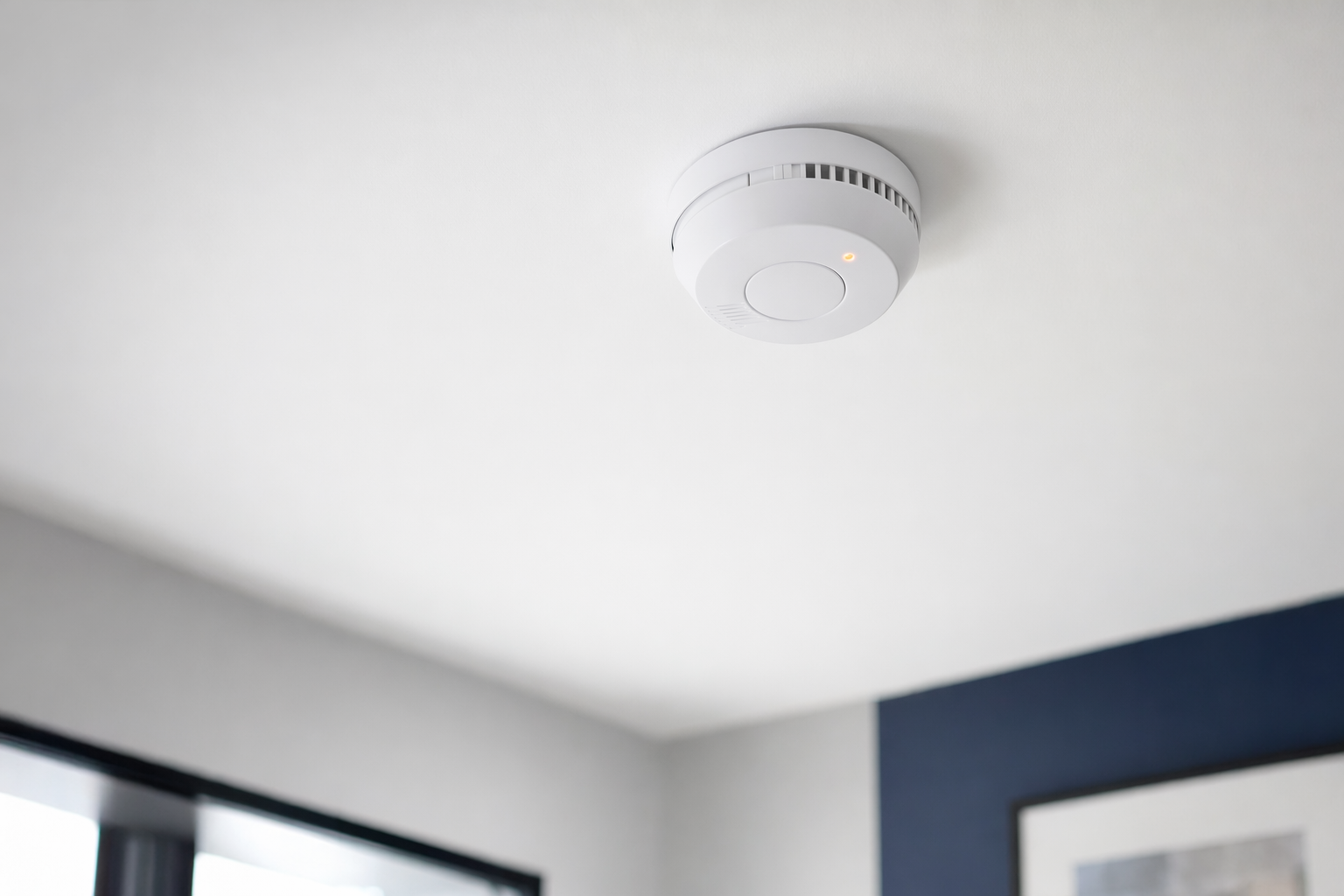
The problem the owner was trying to solve
A small retail shop had two worries after closing time. One was burglary. The other was fire from electrical equipment, a back-room storage area, and a heating unit.
The owner already had locks, cameras, and a basic local alarm that made noise on site. But if nobody was there to hear it, that only did so much. The goal was not guards. The goal was monitored alarms, where signals go to a central station 24/7.
Like many owners, this person also wanted plain answers on cost, contract length, permits, and cancellation terms. They did not want a rushed sales pitch or a "free system" that turned into a long monitoring lock-in.
How monitored fire and burglar protection actually works
The setup the owner looked at had door contacts, motion sensors, smoke or heat detection where appropriate, and a control panel. When a sensor trips, the panel sends a signal to a central monitoring station, often over cellular or a dual-path connection.
At the central station, a trained operator reviews the signal and follows the account instructions. For a burglar alarm, that often means a verification call first. If the situation appears real, the operator contacts police based on local procedures and then notifies the customer.
For a fire signal, handling may be different because fire dispatch rules, alarm verification rules, and permit requirements vary by area. The important point is that monitoring means an off-site central station is watching for signals around the clock. It is not the same thing as a loud local siren by itself.
If you are new to this topic, 24/7 burglar alarm monitoring explains the signal path in plain language.
What the owner compared before choosing a provider
First, the owner asked whether the provider offered business monitoring and whether the central station was UL-listed. Then they asked about communication paths. Cellular is common. Dual-path can add a second route for signals, which some businesses prefer.
Next came the contract questions. This is where small-business buyers can get tripped up. The owner asked for the monthly monitoring price, equipment cost, installation charges, contract term, auto-renewal language, cancellation steps, and any permit support. They also asked how false alarms are handled and whether there could be local false-alarm fees.
That helped filter out the usual sales tactics. Some offers push a low up-front price but make up for it with costly long contracts. Some say the system is "free" while tying the customer to expensive monitoring. Some door-to-door pitches are high pressure. Some cancellation terms are vague on purpose.
Rules also vary by state. In some states, alarm-company solicitation requires a license, and local rules can affect permits and dispatch procedures. A careful buyer should ask what applies where the business is located.
A realistic budget range
For this example, the owner found that basic small-shop burglar monitoring often starts around $20 to $50 per month. If fire monitoring, cellular communication, dual-path service, more devices, or commercial-grade equipment are involved, the monthly number can be higher.
Up-front costs also varied. Some quotes bundled equipment and installation into a contract. Others charged separately. A modest setup might land in the few-hundred-dollar range, while a more complete commercial system can run much higher depending on layout, code needs, and the number of sensors and detectors.
Those numbers are ranges, not quotes. The real price depends on the equipment, the monitoring contract, and the area. Permit fees, service calls, and replacement hardware can change the total as well.
- Monthly monitoring for a simple burglar setup: often about $20 to $50
- Fire monitoring, cellular, dual-path, and commercial features can raise the monthly cost
- Equipment and installation may be separate or bundled into a contract
- Always ask for the full term, renewal terms, and cancellation terms in writing
How the owner moved forward
The owner chose a provider only after getting clear written terms and confirming that the monitoring fit the shop's hours, layout, and risk points. They also asked about user training, opening and closing procedures, and who gets called first after an alarm signal.
This story is only an illustration, but the process is real: compare signal paths, ask about the central station, read the contract, and check permit and dispatch rules locally. Monitoring can be useful, but it is not a guarantee against loss, break-ins, or fire damage.
Signal Watch Central does not install or monitor alarms, and we are not a central station. We provide general education and free matching to help you find a monitoring provider near you. If you want to compare options, you can get matched or read more stories.
If you ask us to connect you with a provider, contact happens only with your prior express written consent through an unchecked box you choose to tick. That consent is not required to use our service, and you can opt out at any time.
This page shows, with a made-up but realistic example, how a small shop owner might compare and buy central-station fire and burglar alarm monitoring.
Common questions
Is this a real customer story?
No. It is an anonymized, illustrative case study meant to show how monitored fire and burglar protection is usually evaluated by a small business.
Is alarm monitoring the same as a loud alarm siren?
No. A local siren makes noise on site. Monitoring means the control panel sends signals to a central station, where an operator follows the account instructions and may make a verification call and contact responders.
How much does monitored protection for a small shop cost?
It varies. A simple burglar monitoring plan may start around $20 to $50 per month, but fire monitoring, cellular or dual-path communication, equipment, installation, and commercial requirements can raise the total.
Do I need a permit for a business alarm?
Maybe. Many cities and counties have alarm permit rules, and false-alarm fees can apply. Fire alarm rules can be stricter, so check local requirements and ask the provider what applies in your area.
Will I get calls or texts if I ask to be connected with a provider?
Only if you give prior express written consent through an unchecked box. Consent is not a condition of any service, and you can opt out at any time.