Monitoring
medical alert and panic-button monitoring
Medical alert and panic-button systems can be monitored 24/7. Learn how signals move from the device to a central station operator, how the operator verifies, who gets notified, and how to find a provider near you.
What happens in the seconds after a sensor trips
- 1A sensor trips. A door, window, motion, smoke, or heat sensor detects something and tells your control panel.
- 2The panel signals the central station. Within seconds the panel sends the alarm to a 24/7 monitoring center over cellular or internet — not just a siren in your house.
- 3An operator verifies. A trained operator reviews the alarm and makes a verification call to confirm it is real and not an accident.
- 4Help is dispatched. If it is real, the operator dispatches police or the fire department and keeps you informed. This is what 'monitored' means.
How monitored medical alert and panic buttons work (signal path)
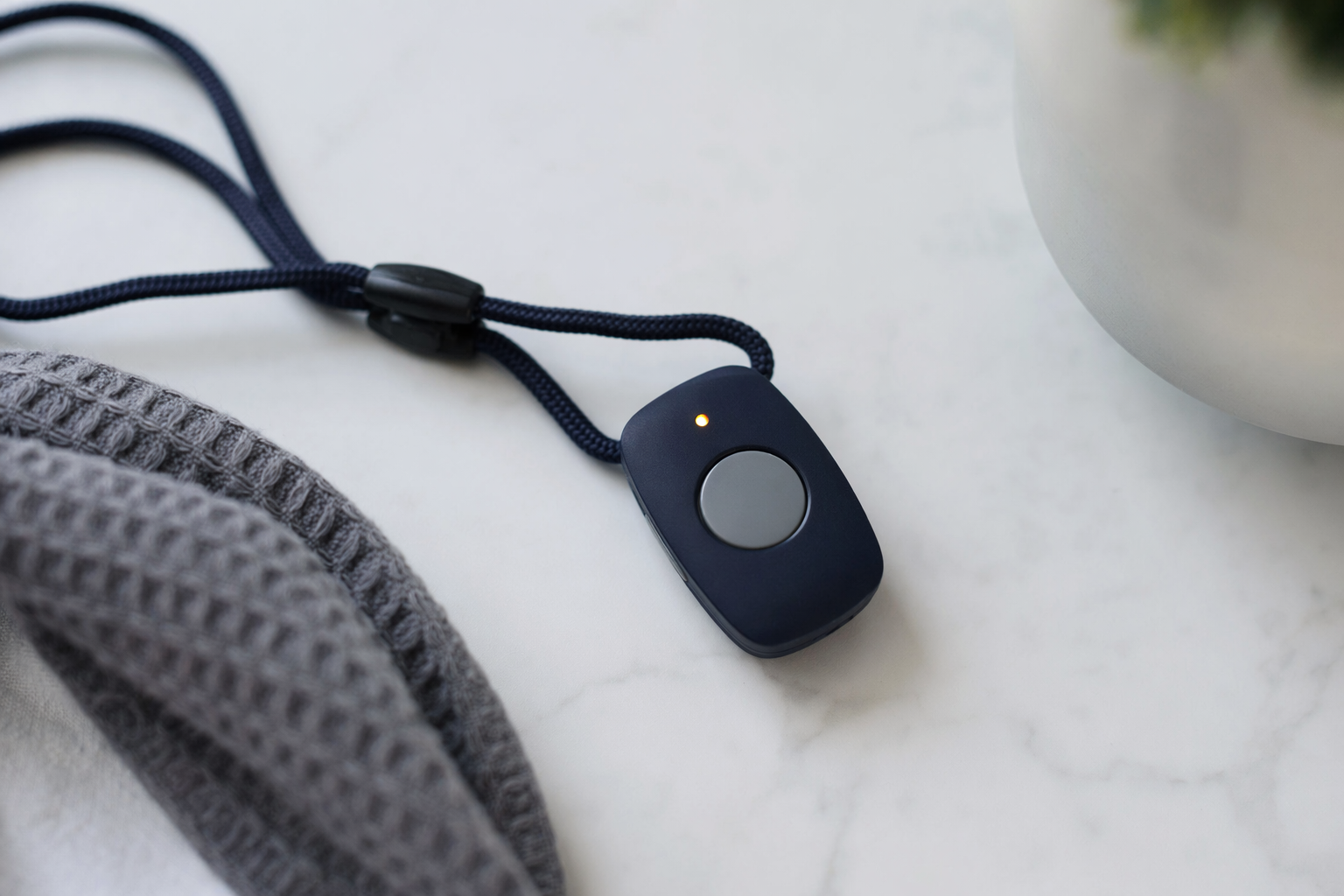
Monitored medical alerts and panic buttons are built around a clear communication path. When a button is pressed or a wearable sensor triggers, the device sends an alert to the monitoring provider’s central station.
At the central station, a trained operator receives the signal and follows the monitoring plan. In many setups, the operator calls the person using the phone number on the account to confirm what is happening and collect key details. If the operator cannot reach the person or the situation needs emergency help, the operator will contact the appropriate emergency or response resources based on the plan and local procedures.
It helps to know the difference between a monitored system and a “device only” system. A non-monitored device can send alerts to a phone or an app, but it does not have an operator verifying 24/7. With monitoring, a central station is watching signals 24/7 and handling the next steps.
To see the broader flow for alarm monitoring, read How monitoring works.
Who gets called, and what verification usually looks like
Most monitored medical alert and panic systems use a call-and-check process. The central station operator tries to reach the monitored person first. They may ask what happened, whether the person needs medical help, and if there is danger.
Many plans also include backup contacts, such as a family member or caregiver, especially if the monitored person cannot answer. The operator may notify those contacts or try again based on the specific monitoring rules.
If the situation appears urgent, the operator may contact emergency services (for example, calling 911) or follow a predefined escalation plan. Exact steps vary by provider, device type, and the services listed in the monitoring contract.
Because these systems are designed for real people in real homes, false alarms can happen. A monitored plan usually aims to verify quickly and reduce mistakes, but no monitoring system can eliminate all wrong calls.
What “24/7 monitoring” means in practice
“24/7 monitoring” generally means trained operators are available around the clock at a central station to receive and handle alerts. That does not mean a fixed guarantee of response times or that help will always arrive in any specific timeframe.
Your device may send signals using different paths. Common options include cellular (similar to a phone network), landline, or other communication methods. Some systems use a base unit at home that communicates through cellular or broadband.
Coverage can also depend on the person’s location at the time of the alert. For example, a mobile panic button or wearable may work differently when the person is outside the home than when they are at home.
When you are comparing providers, ask how signals are delivered (cellular, landline, broadband), what happens during a verification call, how escalation works, and what information is needed on the account (phone numbers, emergency contacts, and instructions). For general alarm monitoring concepts, see learn more.
How to choose a provider for an older or vulnerable household member
Signal Watch Central is free to use. We help you find and compare monitoring providers near you, including options for medical alert and panic-button monitoring. We are not an alarm company, not a monitoring center, and we do not install, monitor, or guarantee any service. You stay in control of the final provider and contract.
Start with the household needs. Consider whether the person is usually at home, travels often, needs fall detection, has hearing or speech limitations, or may have difficulty pressing a button correctly.
Then compare monitoring setup and requirements:
- Communication method: cellular, landline, or base unit with broadband
- Verification approach: whether the operator calls first, then escalates
- Emergency escalation: how calls are handled when verification fails
- Caregiver notifications: whether contacts are notified during an incident
- Battery backup and device charging: what happens if power or coverage is lost
Finally, review the contract carefully. Alarm and medical-alert contracts can include long auto-renewal periods and complicated cancellation terms. Be cautious of “free” equipment offers that lock you into costly monthly monitoring for a long time.
Some states license alarm-company solicitation, and rules vary by state. If you run into door-to-door pressure or vague cancellation terms, pause and ask for written details before agreeing.
If you want help comparing options, start with get matched and we’ll connect you with a monitoring provider that fits your situation.
Typical costs and what drives price (so you can budget)
Costs vary widely. A medical alert or panic system may include equipment charges (sometimes monthly, sometimes one-time) and a monitoring fee. Some providers bundle equipment into the monthly cost, while others have separate device pricing.
Ongoing monitoring costs often range from about $25 to $60 per month, but it can be higher or lower depending on features and local contracts. The “real” number depends on items like:
- Whether you need at-home help, mobile coverage, or both
- Fall detection or additional sensors
- Cellular vs landline/broadband configuration
- How many contacts and escalation rules are included
- Contract length and whether there is an activation fee or device fee
Avoid surprises by asking for the total monthly cost and all stated fees in writing. If a deal looks “too good,” ask what happens at the end of the term and how cancellation works. Some contracts include early termination penalties, auto-renewing terms, or false-alarm handling fees in certain alarm categories.
Questions to ask before you sign (quick checklist)
Use this checklist when you contact a provider. Clear answers help you understand what the central station will do.
- What exactly triggers an alert on this device (button press, fall detection, other sensors)?
- How does the device communicate (cellular, landline, broadband/base unit)?
- Who does the operator call first during verification, and what is the order?
- What happens if there is no answer or the person cannot speak clearly?
- How are emergency services contacted, and what details are used?
- Are there backup contacts? Are they notified and in what order?
- What is the total monthly cost, including any device or activation fees?
- What are the contract term and cancellation terms? Is it auto-renewing?
- Are there any false-alarm fees or required response actions?
If you want a general overview of monitoring, start with How monitoring works. If you’re ready to compare nearby options, visit services and then get matched.
Monitored medical alert and panic buttons send a signal to a 24/7 central station operator who verifies by phone and then notifies or escalates, and we help you find a nearby monitoring provider.
Common questions
Is Signal Watch Central the company that monitors the panic button?
No. Signal Watch Central is a free service that helps you find a monitoring provider. The monitoring is done by the provider’s central station with trained operators under that provider’s contract. We do not install, monitor, or guarantee any system.
What happens right after the button is pressed?
The device sends an alert signal to the provider’s central station. An operator receives the signal and typically tries to call the person on the account to verify what is happening. If verification fails or the situation seems urgent, the operator escalates based on the monitoring plan.
Will monitoring prevent a medical emergency from getting worse?
No one can guarantee outcomes. Monitoring can help get help and notifications started through a central station workflow, but response depends on the situation, communication path, verification, and local emergency resources.
How much does medical alert and panic-button monitoring cost?
Costs vary. Monitoring is often around $25 to $60 per month, but the real price depends on the device features (like fall detection or mobile coverage), the communication setup, and the contract terms. Equipment and activation fees may also apply.
Do I need cellular service for a wearable or pendant?
Often, yes, especially for mobile alerts. Many systems use cellular communication or a home base that connects through cellular or broadband. The exact requirement depends on the provider and device model.
Can I choose who the operator calls?
In most plans, you enter emergency contacts and caregivers for the account. The order and rules for contacting people depend on the monitoring contract. Ask providers to describe the verification and escalation steps clearly before you agree.
Is this considered an alarm solicitation? What about state rules?
Rules vary by state. Some states license alarm-company solicitation, and the process for sales and contracts may differ. If you are approached in person, ask for written contract terms and cancellation details before agreeing.
Will I be contacted by text or robocalls if I use Signal Watch Central?
We only contact you for outreach with your explicit prior express written consent using an unchecked consent box. Consent is not required for the service, and you can opt out at any time. Autodial or prerecorded/text messages apply only if you choose that consent.