Guides
What is commercial fire alarm monitoring
Commercial fire alarm monitoring means a central station watches your alarm signals 24/7 and helps route the right response after a verified fire signal. It is not the same as installing equipment, and it does not guarantee a fire will be stopped or damage prevented.
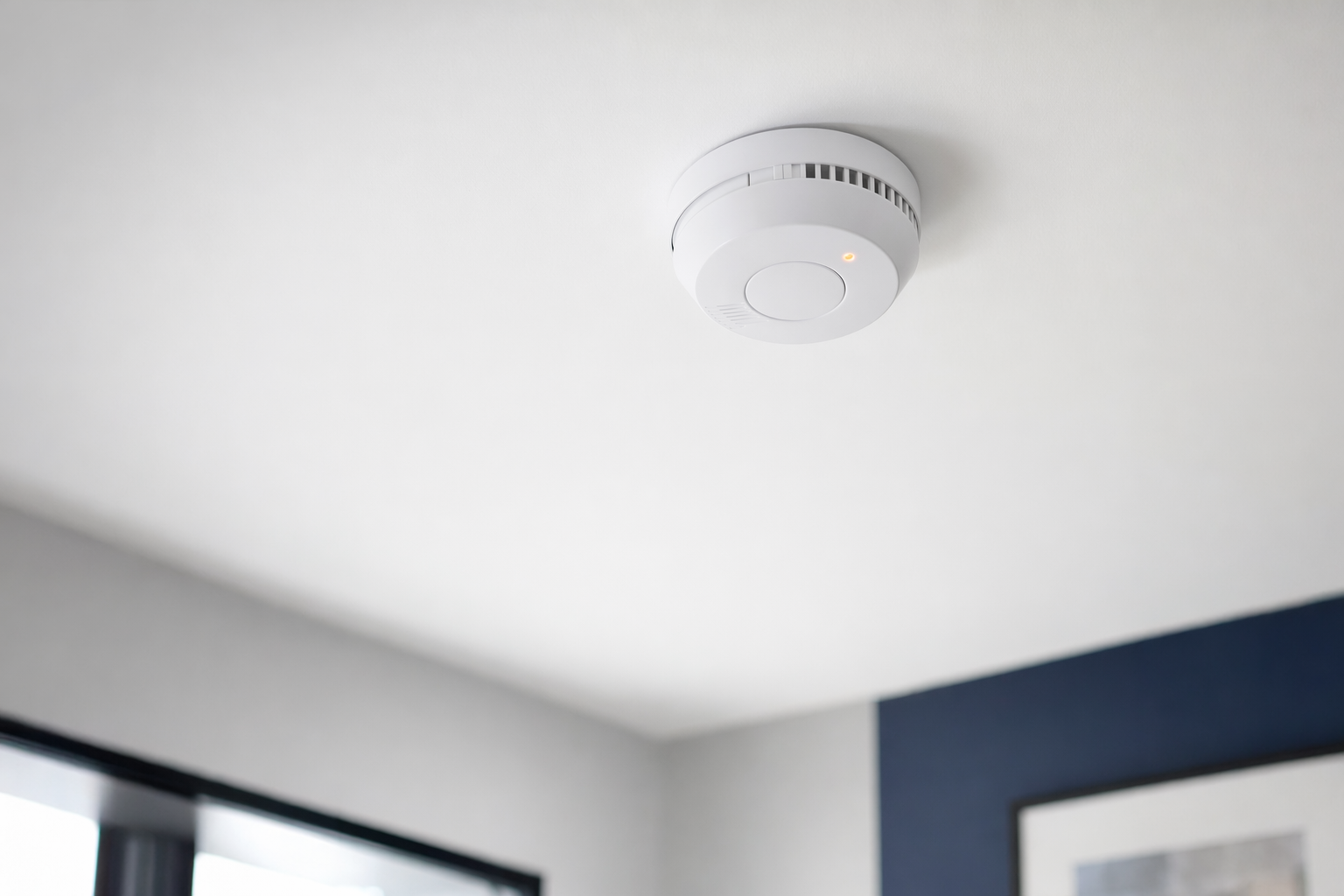
What commercial fire alarm monitoring does
A commercial fire alarm system uses detectors, pull stations, and a control panel. If a sensor trips, the panel sends a signal to a central monitoring station over phone line, cellular, or dual-path communication.
A trained operator sees the signal, checks the account details, and usually makes a verification call if the setup requires one. If the alarm is confirmed or the rules call for dispatch, the operator contacts fire dispatch and notifies the customer or listed contacts.
That is the core signal path: device to panel, panel to central station, verification, then dispatch and notice.
Why businesses use it
Commercial monitoring is used by offices, warehouses, retail spaces, restaurants, medical buildings, and other properties that need 24/7 alarm oversight even when no one is on site.
It helps make sure a fire signal does not sit unheard after hours, on weekends, or during holidays. It is especially important where local fire code, insurance, or lease terms require a monitored fire alarm.
If you are comparing options, a good starting point is our central station monitoring overview. You can also get matched with a monitoring provider near you.
What it is not
Monitoring is not the same as a security guard, and it is not the same as an alarm company that installs equipment. We are not a monitoring center or a UL-listed central station, and we do not install or monitor systems ourselves.
Monitoring also does not prevent a fire, stop smoke from spreading, or promise a police or fire response time. It is one step in a larger safety and code-compliance setup.
Be careful with sales claims that sound too simple. Common alarm-sales tactics include long auto-renewing contracts, "free" systems tied to costly monitoring lock-in, door-to-door pressure, and vague cancellation terms.
Typical costs and contract terms
For commercial fire alarm monitoring, monthly monitoring often starts around $20 to $60 per month for small systems, but real pricing can run higher depending on the equipment, the monitoring contract, the number of zones, cellular or dual-path communication, and your area. Those are ranges, not quotes.
Installation, inspection, permit handling, and fire alarm communicator hardware can add to the total. Some providers also charge for activation, cancellation, cellular backup, or service visits.
Read the contract carefully. Ask whether it auto-renews, how to cancel, whether there is a termination fee, and whether the price changes after an intro period.
Rules, permissions, and matching help
Some states license alarm-company solicitation, and the rules vary by state. Local fire departments and cities may also require permits or impose false-alarm fees, so it is worth checking your local requirements before you sign.
If a provider wants to call, text, or send prerecorded or autodialed messages, that contact should happen only after your prior express written consent, such as an unchecked box you choose to tick. Consent is not a condition of using our free site, and you can opt out at any time.
Signal Watch Central is a free education and matching service. We help you find a monitoring provider near you, and we are paid a flat marketing fee by participating providers. We do not take a cut of the provider’s monitoring fee.
Commercial fire alarm monitoring is 24/7 central-station oversight that sends a verified fire signal to responders and listed contacts, but it does not guarantee safety or replace local code checks.
Common questions
Is commercial fire alarm monitoring required?
Sometimes. Requirements depend on your city, fire code, insurer, lease, and the type of building. A local provider or your fire marshal can help you confirm what applies.
How is a fire alarm signal handled?
A sensor or pull station trips, the control panel sends the signal to the central station, an operator checks the account and may verify by phone, then the operator dispatches fire services and notifies the listed contacts.
Do you install or monitor systems?
No. We are not an alarm company or a monitoring center. We provide free education and help connect you with a monitoring provider.
What should I ask before signing a contract?
Ask about the monthly rate, installation cost, cellular or dual-path backup, permit help, cancellation terms, auto-renewal, and any fees for false alarms, service, or early termination.