Guides
What is cellular alarm monitoring
Cellular alarm monitoring uses a built-in cellular connection to send alarm signals to a 24/7 central station. Learn how it works, what it costs, and what to ask before you choose a monitoring provider.
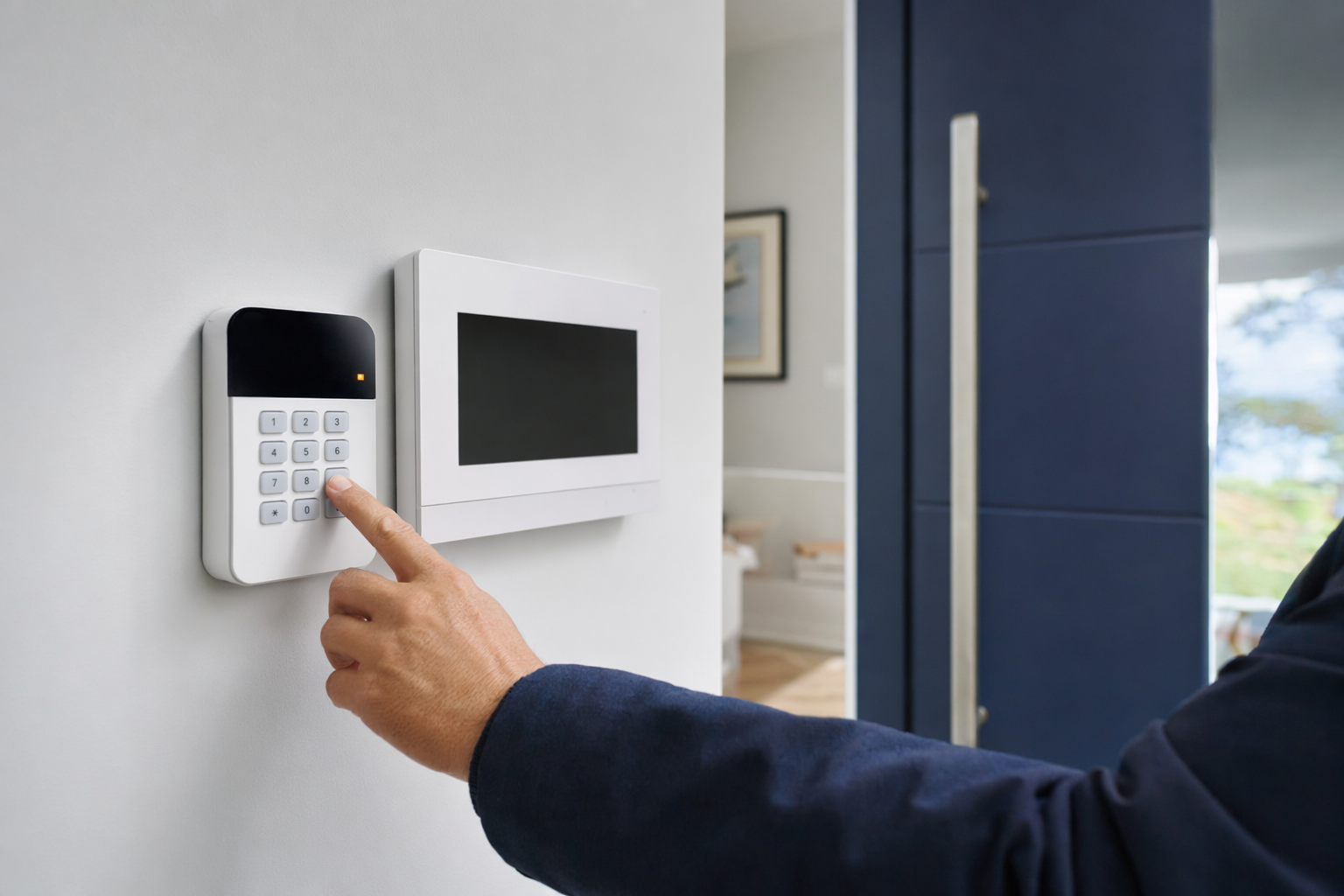
Cellular alarm monitoring in plain words
Cellular alarm monitoring is a way for your alarm system to send alerts over a cellular network (like LTE) to a 24/7 central station.
That central station is the team that watches for alarm signals 24/7. If something triggers your system, the signal path usually goes like this:
1) A sensor trips (door contact, motion detector, smoke detector, etc.)
2) Your alarm control panel sends the alarm message to the central station using your connection (cellular, and sometimes also landline or internet)
3) A trained operator verifies the alarm by contacting you (usually by phone) using the info you provided
4) If the alarm is confirmed or treated as urgent, the operator contacts the right emergency service (police or fire) and notifies you
Signal Watch Central helps you understand this process and connect with a monitoring provider near you. We do not install systems, operate a monitoring center, or guarantee outcomes.
Why cellular is used for alarm signals
Many homes and businesses do not have reliable landlines anymore, or they want a backup path if something else fails. Cellular can help provide a communications path that does not depend on a specific home phone line.
Cellular also matters during outages. If power is interrupted, many alarm systems switch to backup battery. Cellular monitoring still depends on the system staying powered and on the cellular network being available.
Important: cellular monitoring does not prevent fires or break-ins. It is a way to send alerts to a central station so your alarm system can be handled as quickly and correctly as the process allows.
How the signal path works (sensor → panel → central station)
Your alarm system has sensors, a control panel, and a communicator. When a sensor trips, the control panel decides whether the event is an alarm, a trouble signal, or something else.
Then the communicator sends signals to the central station. Many systems support dual-path or multi-path communication, meaning they can send over more than one method (for example, cellular plus internet, or cellular plus landline). Dual-path designs are common because they can reduce the chance that a single connection issue stops communication.
At the central station, a trained operator verifies the event. Often, they try to reach you by phone to confirm what happened. Based on the situation, they may contact emergency services and notify you. You can usually help by keeping your contact information up to date with your monitoring provider.
If you want more general context on the monitoring setup, see central station monitoring and our overview at /learn/.
What to ask about cellular monitoring before you sign
Cellular monitoring details vary by equipment and by provider contract. Before you commit, ask questions that affect reliability, false alarms, and ongoing costs.
Common questions:
- What exact connection(s) will your panel use? Cellular only, or dual-path (cellular plus internet, etc.)?
- Is there a backup option if the cellular connection fails?
- What happens during a power outage? Does your panel have battery backup, and how long is it intended to last?
- How does verification work for your type of alarm (burglary vs. fire)?
- What are the false-alarm rules and fees? Some areas charge for repeated false alarms.
- How do you update phone numbers and addresses for the verification call?
- Is the plan cancellable without long lock-in? Be wary of auto-renewing agreements that are difficult to cancel.
Alarm sales tactics you may see include long auto-renewing contracts, “free” equipment with costly monitoring lock-in, door-to-door pressure, and cancellation terms written in vague language. If the cancellation policy is unclear, ask for it in writing.
Typical cost ranges (not a quote) and what affects price
Cellular alarm monitoring costs vary widely in the US. The real number depends on the alarm equipment you have or choose, the monitoring contract, and local rules or permit requirements.
As a planning range, many households see monthly monitoring prices that can fall somewhere between about $20 and $60 per month for monitoring alone. Some setups cost more if you add premium features such as professional installation, advanced cellular modules, home automation, or extra sensors.
You may also see additional charges such as:
- Upfront equipment cost (or a financing plan)
- Setup or activation fees
- Taxes and local surcharges
- Service or maintenance fees (for installation or repairs)
- False-alarm or administrative fees (depending on your location)
Treat “free system” offers carefully. They can come with monitoring commitments that are expensive over time. If you are comparing providers, compare the full contract term, not only the first month.
How Signal Watch Central helps you get matched
Choosing a monitoring provider should feel clear, not complicated. We help you understand what cellular monitoring is, and then connect you with a monitoring provider that fits your needs.
Start with a quick check of your situation: do you already have an alarm system, or are you looking for new equipment? Do you want cellular only, or dual-path? Your answers help narrow the options.
To learn more or begin matching, visit /get-matched/ and our general resources at /learn/.
Note on rules: Some states regulate alarm-company solicitation and contracting. Requirements can vary by state, so it helps to read any contract terms carefully before you sign.
Cellular alarm monitoring sends your alarm signals over a cellular network to a 24/7 central station, where staff verify and notify police or fire based on the situation.
Common questions
Is cellular monitoring the same as a security camera or smart home app?
No. Cellular monitoring is about sending alarm signals from your sensors and control panel to a central station 24/7. Cameras and app notifications are separate features that may or may not be included with your alarm system.
Does cellular mean my alarm will work during any outage?
Not automatically. Cellular monitoring still needs power to run your control panel and communicator. Most systems use backup batteries, but they have limits. Also, cellular coverage and network availability can affect communication.
What does a verification call mean?
After your alarm triggers, the central station operator may contact you to confirm what happened. If they cannot reach you, policies vary by provider and by alarm type.
Will monitoring prevent burglaries or fires?
Monitoring can help with alerting and response steps, but it cannot guarantee safety or stop a break-in or fire. The central station process depends on the signal path, your information, verification, and local response.
How long are monitoring contracts usually?
They vary. Some agreements are month-to-month, while others include longer terms or auto-renewal. Read the cancellation and auto-renewal terms carefully so you understand what happens if you want to stop monitoring.
Can I switch monitoring providers later?
Often you can, but switching depends on your equipment compatibility and your current contract terms. If you signed an installation or monitoring agreement, check the contract for early termination rules.