Guides
What is an alarm monitoring account number
An alarm monitoring account number is the unique ID your alarm company or monitoring provider uses to know which panel signals go to your account. It helps the central station route alarms, verification calls, and notifications.
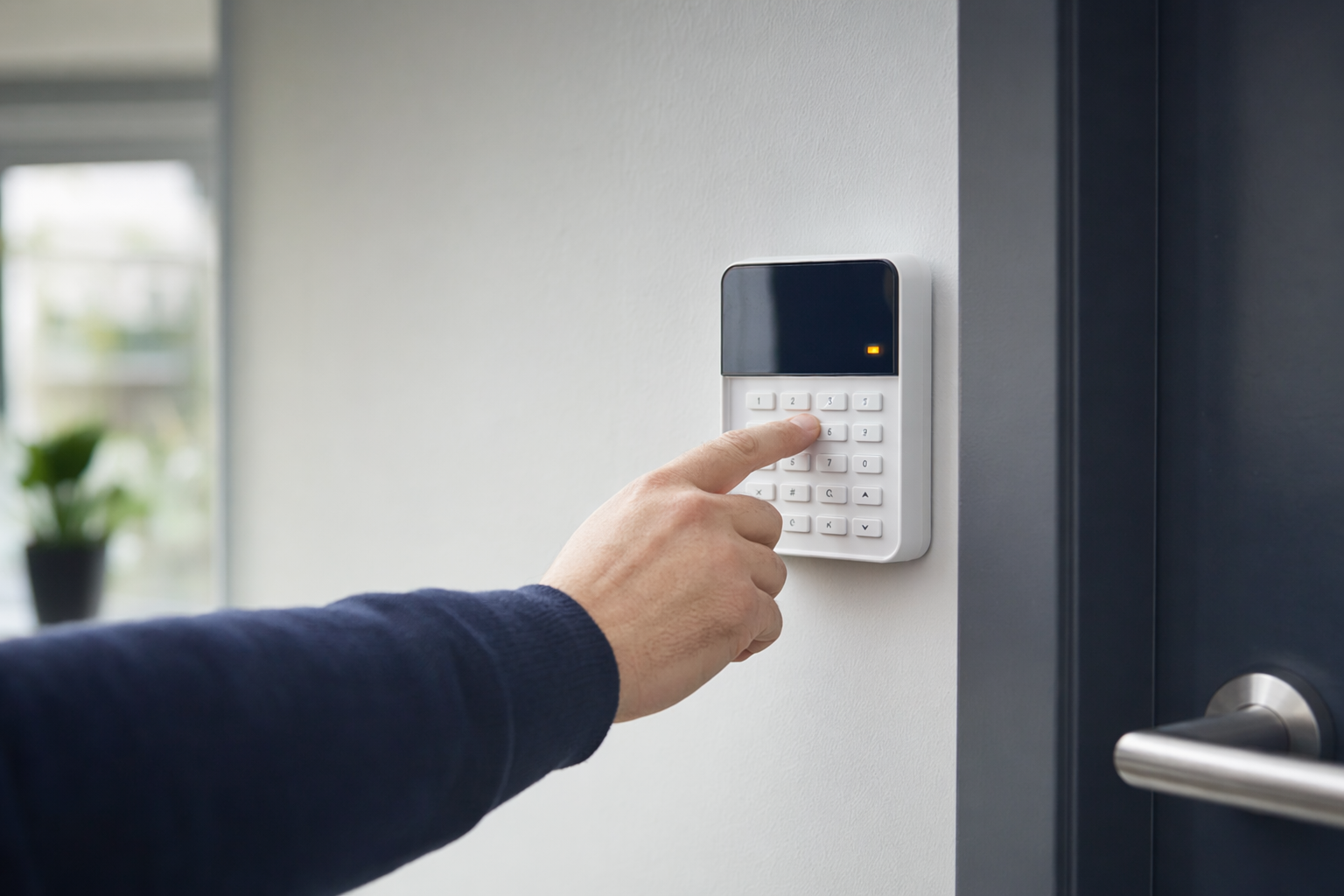
The short answer: what the number is used for
An alarm monitoring account number is an identifier tied to your 24/7 monitoring setup. When a sensor trips and your system reports to the monitoring provider, the provider uses that number (and other account details) to know which location and phone contacts belong to that signal.
Think of it like an “address label” inside the monitoring software at the central station. It does not mean your system is safer by itself. It mainly helps the monitoring system send the right verification and dispatch steps for your specific account.
If you have more than one door sensor, motion sensor, or even a separate panel, the important point is that all of that equipment is tied back to the monitoring account that the central station recognizes.
How an alarm signal moves from your home to a central station
Here is the typical signal path for alarm monitoring in the US:
1) A sensor trips at your home (for example, a door contact opens or glass breaks).
2) Your control panel sends the alarm report to the monitoring provider, using one or more paths such as landline, cellular, or broadband. (Which paths you get depends on your equipment and your monitoring contract.)
3) The central station receives the message and matches it to your account number and premises information.
4) A trained operator may verify using a phone call or other steps, depending on your plan (including whether you set up approved contact numbers).
5) If the alarm is confirmed or can’t be cleared, the operator notifies the appropriate responders (like police or fire) and follows the customer instructions on file.
This is why the account number matters operationally. It is part of how the central station knows who to call, what address to use, and what instructions apply.
Where you will see the account number (and what it’s called)
Different providers use different wording, but common labels include “account number,” “subscriber number,” “customer ID,” or “monitoring account.” Sometimes the number is shown in your welcome packet, monitoring agreement, or online customer portal.
You might also see it on:
- A monitoring statement or billing page
- The documents you got when the system was connected to a central station
- Paperwork from the alarm company that set up your system (even if you later switch monitoring)
If you are new to alarm monitoring, ask the provider to confirm the exact identifier they use at the central station. That helps avoid mix-ups during a transfer, an equipment change, or a change of phone numbers.
Also note: some systems include a separate “panel ID” or “communicator ID.” Those can be different from your monitoring account number. The central station generally relies on multiple fields to match incoming reports.
Why the account number matters when you change providers or equipment
If you switch monitoring providers, the account number may change because the central station system and contracts change. That means you may need to update contact numbers and any custom instructions.
You should also expect a re-setup when equipment changes. For example, if you replace the control panel, add a communication module, or change the transmission path (like moving from landline to cellular), the monitoring provider may configure the new communicator and map it to the correct monitoring account.
Common mistakes include calling the old provider to “cancel” but not ensuring the panel is no longer communicating to the old central station, or keeping outdated phone numbers on the monitoring account. These errors can lead to missed verification calls or delays in the normal process.
If you are learning the terms, a helpful question to ask is: “When a signal comes in, what does the central station use to match my location: the account number, the panel ID, or both?”
Cost and contract reality (what to watch before you pick a monitoring plan)
Monitoring cost in the US is not one fixed price. It usually depends on the monitoring provider, the service plan you choose, and the communication equipment (for example, cellular vs. broadband vs. landline). Typical monitoring costs can range roughly from about $15 to $50+ per month, and some plans also involve an activation or equipment fee depending on who installs and what hardware you have.
Be careful with alarm-sales tactics that can make costs unclear. Some companies use long auto-renewing contracts. Others offer “free” equipment but tie you to costly monitoring for a long time, or use vague cancellation terms. If you are not sure how cancellation works, ask for the exact end date and any termination fees in writing.
State rules vary. Some states license alarm-company solicitation, and requirements can differ depending on where you live. If you think you were contacted door-to-door or by phone, keep the paperwork you received and check whether the seller properly disclosed contract terms.
If you want, Signal Watch Central helps you find a central station monitoring provider near you. It’s free, and it’s for education and matching, not installing or monitoring your alarm.
Getting matched with a monitoring provider (and consent options)
Signal Watch Central is not an alarm company, not a monitoring center, and not a UL-listed central station. We do not install alarms or monitor your system. We help you find and compare 24/7 central station monitoring providers in the US.
When contact happens, consent matters because alarm sales and TCPA rules can be strict. Contact is only appropriate if you give prior express written consent by checking an explicit box. Consent is not a condition of any service. You can opt out at any time. If you do choose to consent, the provider may contact you using methods you allowed, such as autodialing or prerecorded calls or text, depending on what you agreed to.
If you would rather not be contacted, you can still use the information here to understand what you’re looking for, especially terms like monitoring account number, verification calls, transmission paths, and false-alarm handling policies.
An alarm monitoring account number is the ID the central station uses to tie your alarm signals to your monitored location and your verification contacts.
Common questions
Is the alarm monitoring account number the same thing as my home address?
No. Your address identifies the premises, but the monitoring account number is an internal identifier used by the central station to match incoming signals to your account and your contact instructions. Different fields can be used together.
Do I need an account number before my system can be monitored?
Usually, yes. A central station needs a customer account in their system so they know who to verify with and where to send dispatch instructions. Your provider will set up that account when your monitoring is established.
What happens to the account number if I switch monitoring companies?
It may change. Your new monitoring provider will set up a new central-station account. You may also need to confirm your approved contacts and any special instructions so the verification calls go to the right numbers.
How can I find my monitoring account number?
Check your monitoring agreement, welcome packet, or your provider’s customer portal. If you can’t find it, contact the provider that currently monitors your system and ask what identifier they use at the central station.
Does having an account number mean my alarm will always prevent break-ins or fire?
No. Alarm monitoring helps with the process after an alarm signal occurs, including operator verification and notification steps. But no system can guarantee a specific outcome. Also, false alarms and communication failures can happen.