Guides
What is a monitored smoke detector
A monitored smoke detector is a smoke alarm tied to a 24/7 central station. If it senses smoke, the panel sends a signal, an operator verifies by phone when needed, then fire help is dispatched and you are notified.
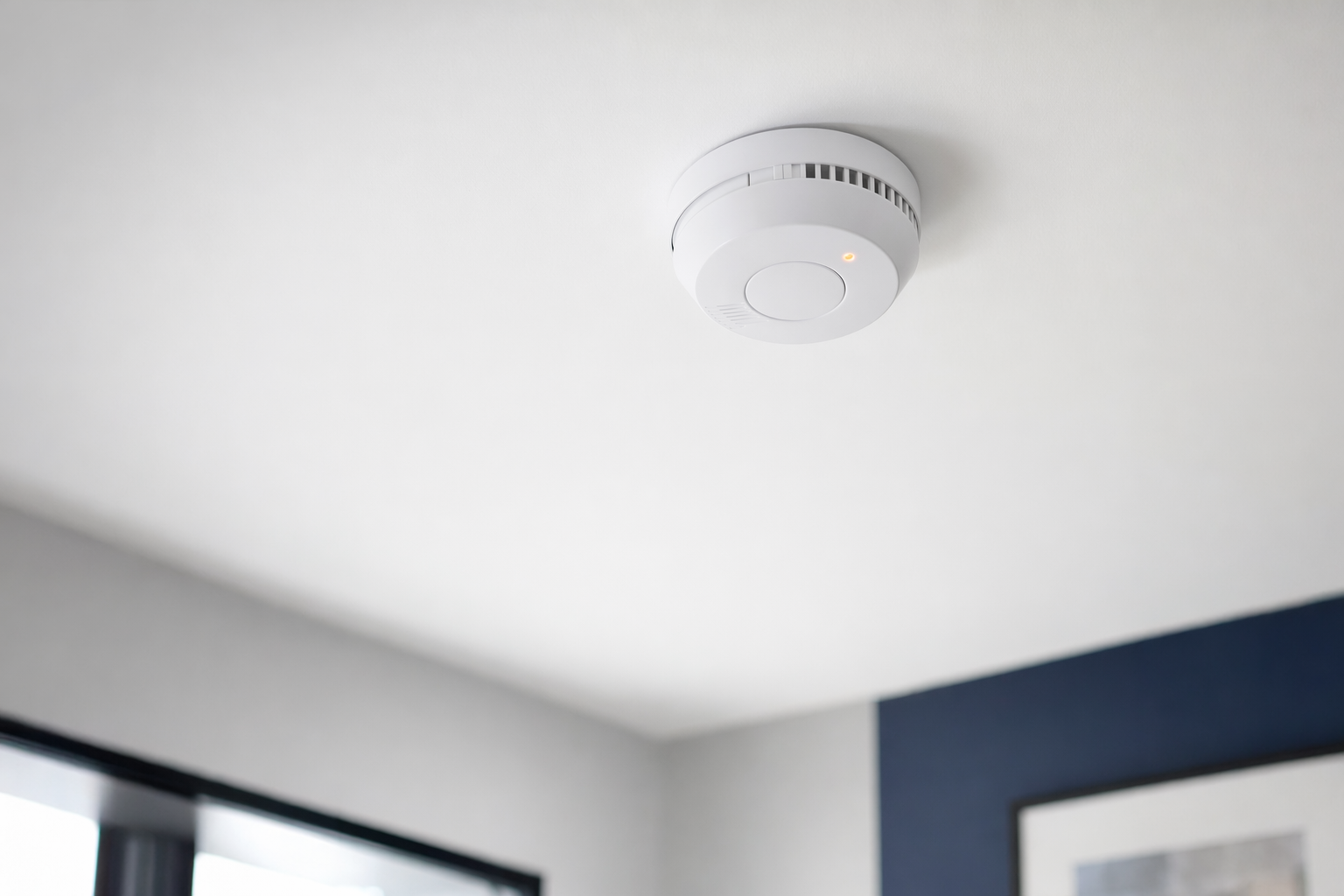
What “monitored” means
A regular smoke detector makes noise inside the home. A monitored smoke detector does more than that. It connects to an alarm control panel, and that panel sends an alarm signal to a central station when the detector trips.
The basic signal path is simple: sensor trips, control panel sends the signal, a trained operator reviews it, the operator may call to verify, then the operator dispatches fire responders and notifies the customer. That is alarm monitoring. It is not the same thing as having security guards on site.
If you are comparing options, the key question is whether the detector is only local, or whether it is part of central-station monitoring.
How it works in real life
A monitored smoke detector can be hardwired, wireless, or part of a larger fire alarm system. Some systems use cellular or dual-path communication so the panel has more than one way to reach the monitoring center. The exact setup depends on the equipment and the property.
When smoke is detected, the panel sends an alarm signal. The central station operator may place a verification call first, especially if the system uses a procedure that allows it. For fire alarms, verification should be handled carefully and in line with local rules and the monitoring contract.
If the alarm is confirmed, the monitoring center notifies the fire department or other emergency responders, and the customer is contacted too. The details can vary by jurisdiction and provider.
Cost, contracts, and common sales tactics
There are two costs to think about: the detector or system equipment, and the monthly monitoring fee. For a basic monitored setup, monthly monitoring can start around $10 to $30 for simple residential plans and can run higher for more features, commercial systems, or multi-sensor setups. Equipment costs vary a lot, from a few hundred dollars for a small home system to much more for larger properties. These are ranges, not quotes.
The real price depends on the equipment, the monitoring contract, and your area. Some states also license alarm-company solicitation, and the rules are not the same everywhere.
Common alarm-sales tactics include long auto-renewing contracts, “free” systems that are tied to expensive monitoring, door-to-door pressure, and cancellation terms that are hard to find. Read the contract before you sign. Ask who owns the equipment, how to cancel, and whether there are relocation or false-alarm fees.
If you are comparing providers
Look for plain language. Ask whether the monitoring center is UL-listed if that matters for your property type, what communication path the system uses, and how smoke alarms are handled during verification. If you rent, ask whether your landlord allows changes to the system.
If you want help finding a monitoring provider near you, we can help you find one. Our service is free to the reader. We are not an alarm company or a monitoring center, and we do not install or monitor equipment.
If a provider wants to contact you, that contact should happen only after you give prior express written consent by checking an unchecked box. Consent is not a condition of any service, and you can opt out at any time. Autodialed calls, prerecorded calls, or texts belong only in that consent context.
Learn the basics first
If you are new to alarm monitoring, it helps to start with the core terms. Central station, verification call, dual-path, and false-alarm fee show up often in contracts and sales pitches.
You can browse more plain-language guides in our learning center.
A monitored smoke detector is a smoke alarm that sends a signal to a 24/7 central station, where an operator can verify it and dispatch fire help under the provider’s rules.
Common questions
Is a monitored smoke detector the same as a regular smoke alarm?
No. A regular smoke alarm only makes noise in the building. A monitored smoke detector also sends a signal to a central station so a trained operator can take the next steps.
Does monitoring guarantee the fire department will arrive fast?
No. Monitoring does not guarantee a response time, and it does not prevent a fire. It only means a signal can be sent to a monitoring center and handled under the provider’s procedures and local rules.
Do I need a permit for monitored smoke alarms?
Sometimes, yes. Many cities and counties require an alarm permit, and some charge false-alarm fees. Check your local fire department or building office before you sign a contract.
Can a monitored smoke detector work without internet?
Yes, depending on the setup. Many systems use cellular or dual-path communication, which does not rely only on home internet. The exact options depend on the equipment and the monitoring plan.