Guides
What is a medical alert system
A medical alert system is a personal emergency device that lets someone call for help from home or on the go. Many use a button, pendant, wristband, or base unit that connects to a monitoring center after an emergency signal is sent.
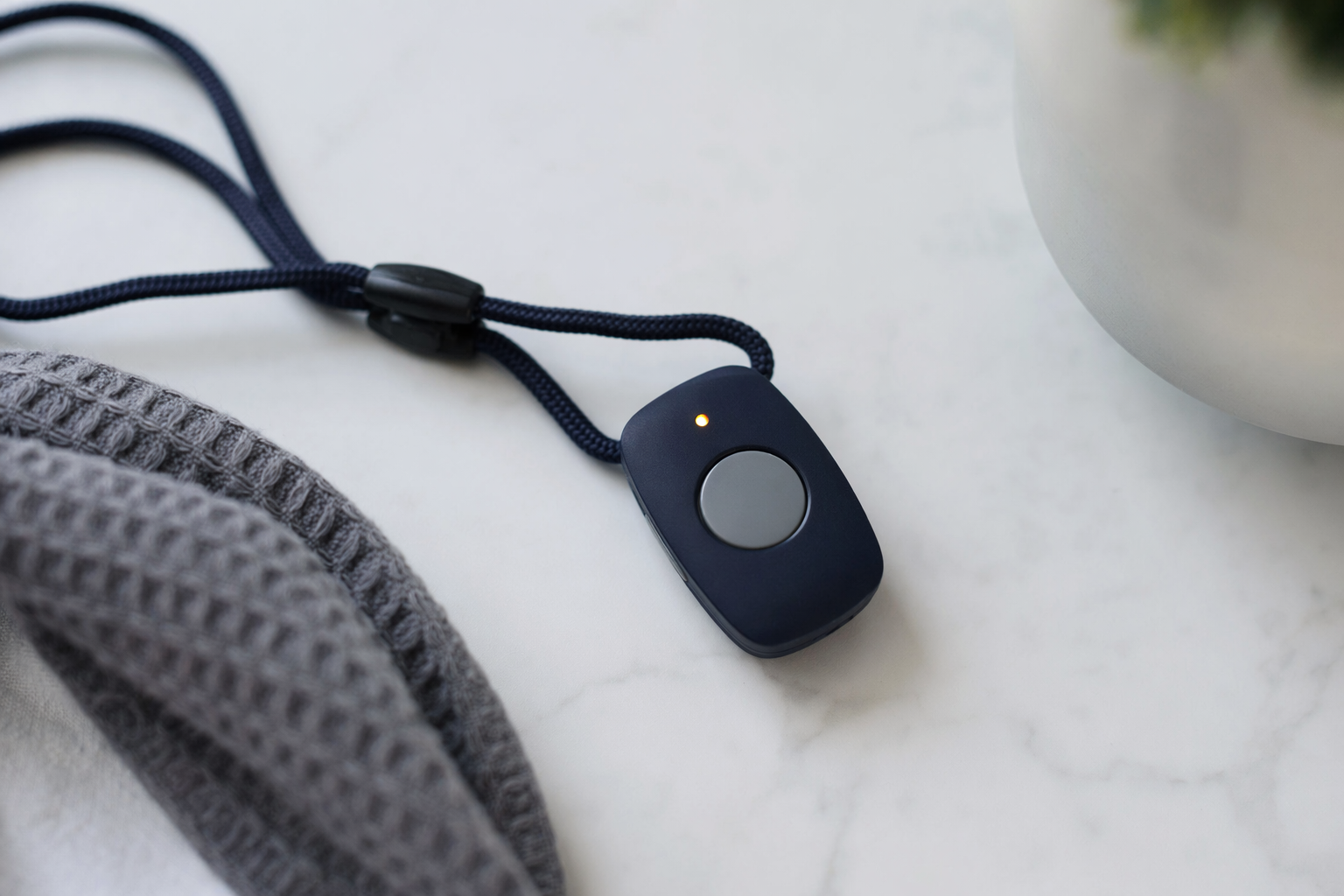
What a medical alert system does
A medical alert system is built for one job: getting an emergency signal from the person to a trained monitoring operator. If the button is pressed, the device or base station sends a signal, and the operator may call the person first to check what happened.
If the caller cannot respond or the situation sounds urgent, the operator can dispatch police, fire, or medical help according to the system and local rules. Some systems also notify a family member or caregiver. That signal path matters: button pressed -> signal sent -> monitoring operator verifies -> help is dispatched or contacts are made.
These systems are often used by older adults, people with falls risk, people living alone, and anyone who wants a simple way to reach help fast. They are not the same as a general security guard service.
- Common forms: pendant, wrist button, wall button, or mobile device
- May work at home, outside the home, or both
- Can include fall detection, but fall detection is not perfect and should not be treated as a guarantee
Medical alert system vs. alarm monitoring
People sometimes mix up a medical alert system with fire or burglar alarm monitoring. They are related because both can use a central station, but they are not the same thing.
Fire and burglar alarm monitoring watches sensors like smoke detectors, door contacts, or motion detectors. A medical alert system usually focuses on personal help signals, not intrusion detection. If you are comparing options, it helps to ask whether you need personal emergency response, fire and burglary monitoring, or both.
For general education on the monitoring side, see central station monitoring. If you are trying to understand your options and want help finding a provider, you can start at get matched. We connect you with a monitoring provider; we are not the monitoring center ourselves.
- Medical alert: person-activated help signal
- Fire/burglar monitoring: sensor-activated alarm signal
- Some providers bundle both, but contracts and equipment can differ
What it usually costs
Costs vary by device, features, contract length, and area. A basic in-home system may cost about $20 to $40 per month. Systems with cellular service, mobile GPS, fall detection, or multi-room coverage often run about $30 to $60 per month, and some plans cost more.
There may also be equipment charges, activation fees, shipping, or cancellation fees. A low upfront price can come with a longer auto-renewing contract, so read the terms carefully before you sign. Ranges are not quotes.
If a provider says the system is “free,” ask what you pay each month and how long you are locked in. Also ask whether there is a false-alarm fee, a permit requirement in your city, or a separate charge for battery backup or cellular communication.
- Basic monthly monitoring: often about $20 to $40
- With mobile features or fall detection: often about $30 to $60+
- Upfront and cancellation terms can matter as much as the monthly price
What to ask before you buy
Ask how the device sends signals, who answers the call, and whether the provider uses a central station. Ask whether the system uses landline, cellular, or dual-path communication. Cellular and dual-path options can be more reliable in some homes, but they also may cost more.
You should also ask about cancellation terms, automatic renewal, equipment ownership, battery life, and what happens if you move. Some sales tactics are common in this market: long auto-renewing contracts, “free” systems with costly monitoring lock-in, door-to-door pressure, and vague cancellation terms.
Some states license alarm-company solicitation, and rules vary by state. That is one reason to read the contract closely and compare more than one provider before you decide.
- Who gets the signal, and do they call to verify first?
- Is the device landline, cellular, or dual-path?
- What are the cancellation, renewal, and equipment terms?
How Signal Watch Central helps
Signal Watch Central is a free education and matching service. We explain how monitoring works in plain English and help you find a monitoring provider near you.
If you choose to ask for contact, that contact happens only with your prior express written consent, such as an unchecked box you choose to tick. Consent is not a condition of any service. You can opt out at any time. We do not guarantee any provider, price, or response.
To learn more about the monitoring side, visit central station monitoring. If you are ready to compare options, use get matched.
- Free to the reader
- We help you find a monitoring provider near you
- No guarantee, no installation, and no monitoring by us
A medical alert system is a device that sends an emergency signal to a monitoring center so an operator can check in and, if needed, dispatch help.
Common questions
Is a medical alert system the same as an alarm system?
No. A medical alert system is for personal emergency help, usually by pressing a button or using fall detection. Fire and burglar alarm systems use sensors for smoke, doors, windows, or motion and are monitored differently.
Does a medical alert system call 911 automatically?
Not always. Many systems first send a signal to a monitoring center, where an operator verifies the emergency and then dispatches help if needed. The exact process depends on the provider and local rules.
How much does medical alert monitoring cost?
A basic plan often runs about $20 to $40 per month, while mobile or fall-detection plans can be about $30 to $60 or more. Equipment, contracts, and add-on fees can change the final price.
Can I cancel if I change my mind?
Usually yes, but the contract matters. Some providers use auto-renewing terms or cancellation fees, so read the agreement before you sign.