Guides
How long does alarm response take
Alarm response time is not one fixed number. It depends on what happens at the home or business, how the signal reaches the central station, how fast the operator can verify the alarm, and how local police or fire handle dispatch.
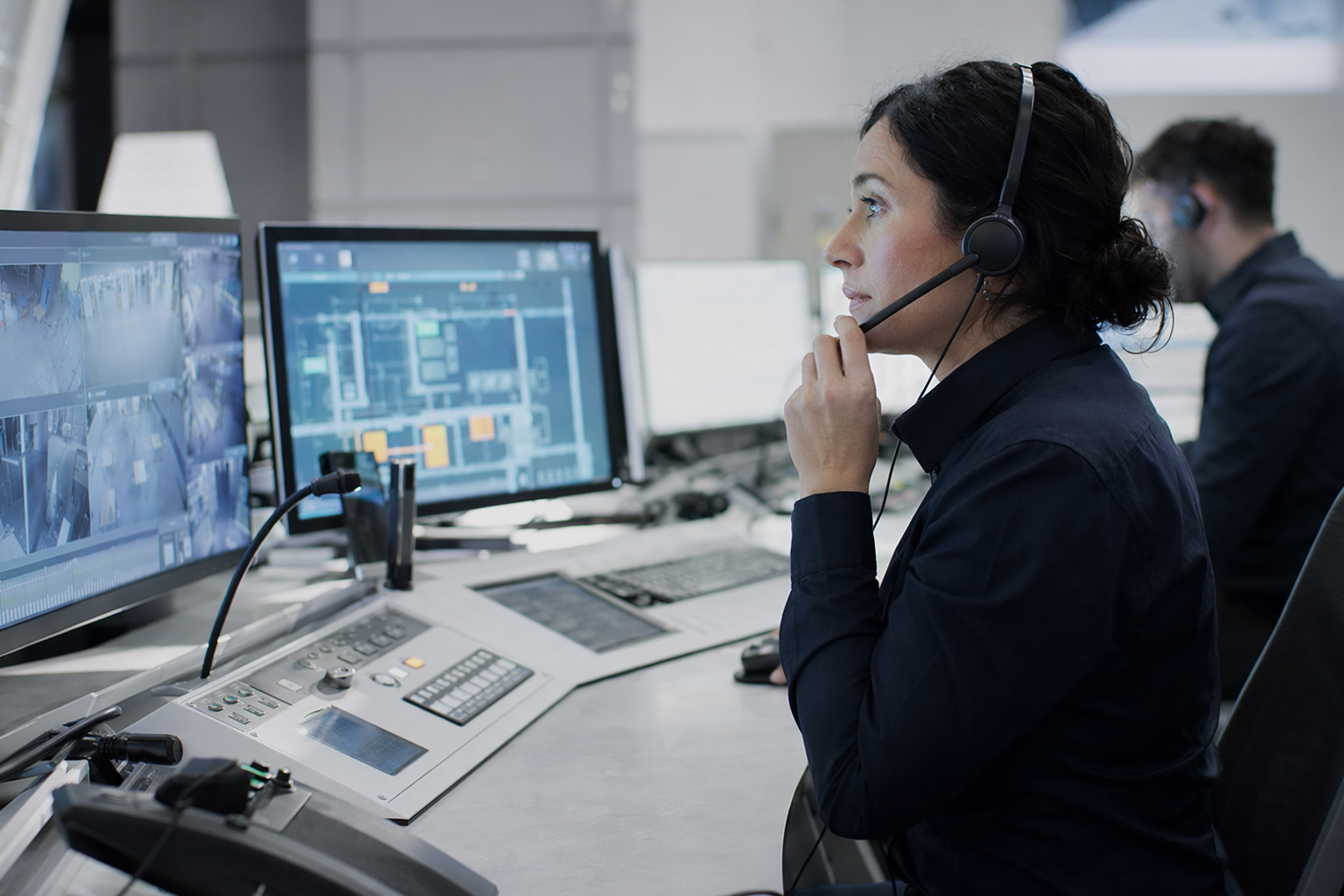
What “alarm response” actually includes
People often mean two different things by “response time.” One is monitoring response: how quickly a central station receives the signal and starts handling it. The other is public-safety response: how long it takes police or fire to arrive after dispatch.
The full path usually looks like this: a sensor trips, the control panel sends a signal to the central station, a trained operator reviews the signal and makes a verification call, then the operator requests dispatch if the situation meets the local rules or the customer’s instructions.
That means there is no single number that fits every alarm. A burglary signal at 2 p.m. in one city may be handled differently from a fire alarm at 3 a.m. in another area.
How fast the central station part can be
The monitoring side is usually the fastest part of the chain, but it still varies by equipment and setup. If the system has a reliable communication path, such as cellular or dual-path, the signal can reach the central station quickly. If the panel uses older phone-line equipment, weak cellular coverage, or an unstable internet-only setup, delays are more likely.
After the signal arrives, the operator normally follows the account instructions. For many burglar alarms, that means a verification call first. If someone answers and gives the correct passcode, the operator may cancel the alarm. If no one answers, or the wrong code is given, the operator can move to notify the contact list and request dispatch under local policy.
Fire alarms are often handled with a different priority than burglar alarms. Many providers treat fire signals as urgent events, but exact procedures still depend on the account setup, the signal type, and local requirements. You can read more about central station monitoring if you want the full process explained.
Why police or fire arrival time varies so much
Once the central station has done its part, the next step is up to the local 911 system and the responding agency. That is where timing becomes hardest to predict. Weather, traffic, staffing, call volume, the type of emergency, and local dispatch rules all matter.
Many cities now use false-alarm reduction rules. Some require enhanced call verification for burglary alarms, which means the operator may need to call more than one number before requesting police. Some areas also give higher priority to verified crimes in progress than to an unconfirmed alarm signal.
For fire calls, the local fire department decides dispatch and arrival based on its own workload and coverage area. Rural areas may have longer travel times than dense urban areas. No monitoring provider, and not Signal Watch Central, can guarantee how fast police or fire will arrive.